Choosing the Right Construction Noise Barrier

All Categories

Get a Free Quote

Our representative will contact you soon.
Email
Name
Company Name
Message
0/1000

Construction noise barrier

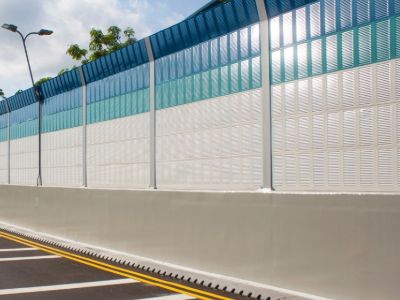
Construction noise barriers are essential solutions designed to reduce sound pollution in urban environments, particularly near highways, railways, and construction sites. For B2B buyers, such as purchasing managers and engineers, understanding the right specifications, application suitability, and supplier reliability are critical factors in making informed decisions. This article aims to provide you with comprehensive insights into selecting the right outdoor noise barrier for your project, ensuring you can effectively mitigate noise while meeting budget and regulatory requirements.

Our Products

Key Specifications for High-Quality Construction Noise Barriers

Key Specifications for High-Quality Construction Noise Barriers

When evaluating Jinbiao construction noise barriers, several key specifications should be scrutinized: 

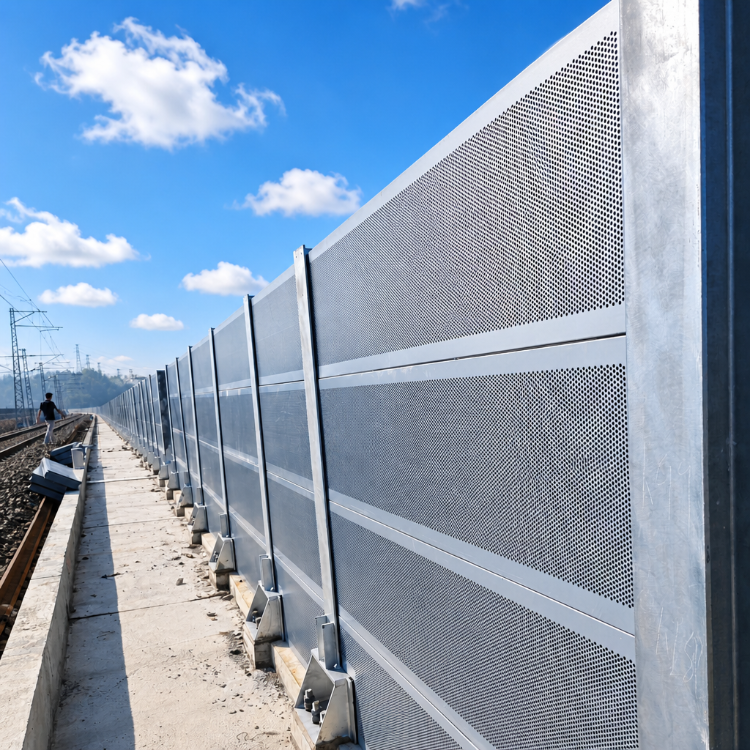
Material Properties: The density and thickness of the material are vital as they directly affect sound attenuation. Thicker materials generally offer better sound insulation. For example, concrete barriers typically exhibit higher mass, thereby providing improved performance in noise reduction compared to lighter materials. 

Dimensions: The height and length of the barrier should match the project's specific requirements. A roadside noise barriers that is too low may not effectively block noise, while one that is excessively tall may incur unnecessary costs. 

Noise Reduction Coefficient (NRC): This rating indicates the barrier's ability to absorb sound. A higher NRC value is preferable for areas with significant noise pollution. Ensure that the NRC is tested according to standardized procedures to guarantee accuracy. 

Compliance with Standards: Check that the noise barrier complies with local regulations and standards for noise abatement. This is especially critical for municipal projects, where adherence to specific guidelines can impact project approval. 

Understanding these specifications allows buyers to make informed decisions that align with their project's objectives and compliance requirements.
Evaluating Supplier Reliability for Noise Barrier Solutions

Evaluating Supplier Reliability for Noise Barrier Solutions

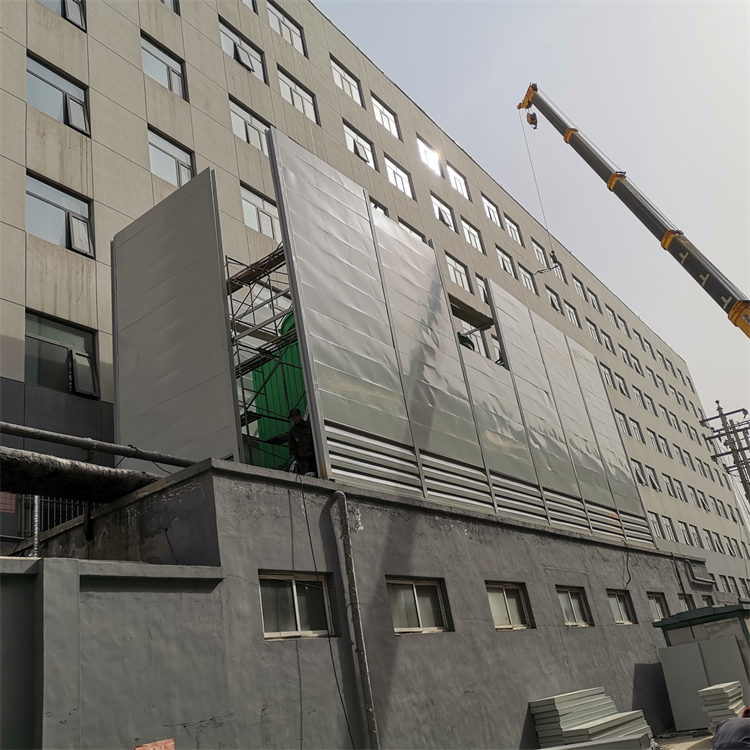
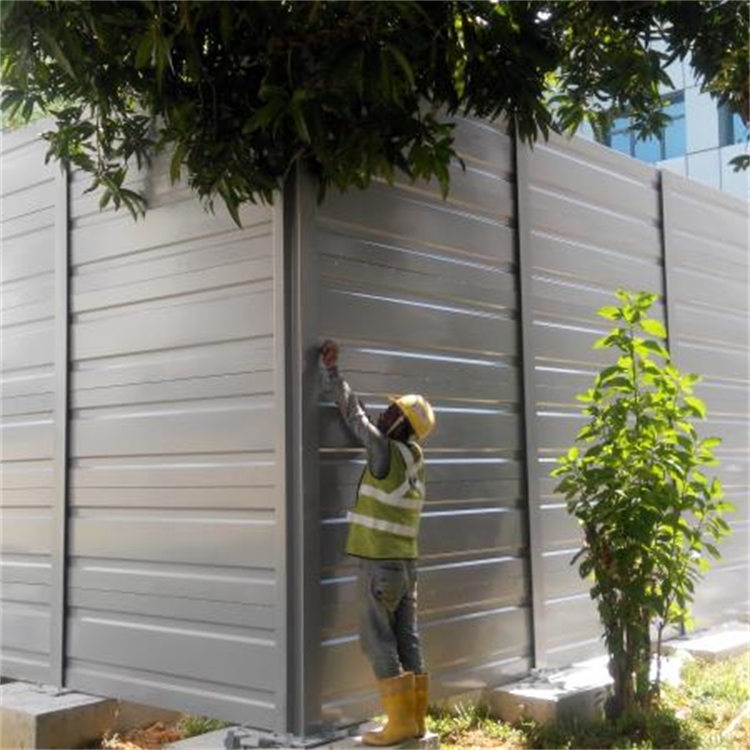
Choosing a reliable supplier is crucial for the successful implementation of construction noise barriers. Start by reviewing the supplier's experience in the industry. A manufacturer with a proven track record, such as Hebei Jinbiao Construction Materials Tech Corp., which has been in the business since 2005, is likely to deliver higher quality products and services. 

Additionally, assess their certifications, such as ISO 9001 for quality management and ISO 14001 for environmental management. These certifications indicate that the supplier adheres to recognized standards, ensuring product consistency and environmental responsibility. 

Furthermore, inquire about their production capabilities and capacity. A supplier with multiple production bases can offer better lead times and flexibility in meeting your project's demands. Requesting samples of their noise barriers is also advisable; this allows you to evaluate their quality firsthand and confirm that they meet your specifications before mass production.

Cost Factors to Consider When Buying Construction Noise Barriers

Cost Factors to Consider When Buying Construction Noise Barriers

The cost of Jinbiao construction noise barriers can vary widely based on several factors. First, the material choice plays a significant role in pricing. For instance, concrete barriers may come at a higher initial cost compared to lighter materials like plastic composites. However, the long-term durability and maintenance costs should also be considered, as a more expensive barrier might offer better value over time. 

Another important factor is the barrier’s dimensions. Custom sizes or shapes often incur additional costs, so it’s essential to balance the need for specific dimensions with budget constraints. Additionally, factors such as transportation, installation, and any necessary site preparation should be included in your overall budget assessment. 

Lastly, remember to account for potential permits or regulatory compliance costs. Ensuring that the temporary noise barrier meets local regulations can prevent costly delays and modifications down the line.

Applications of Construction Noise Barriers in Urban Developmen

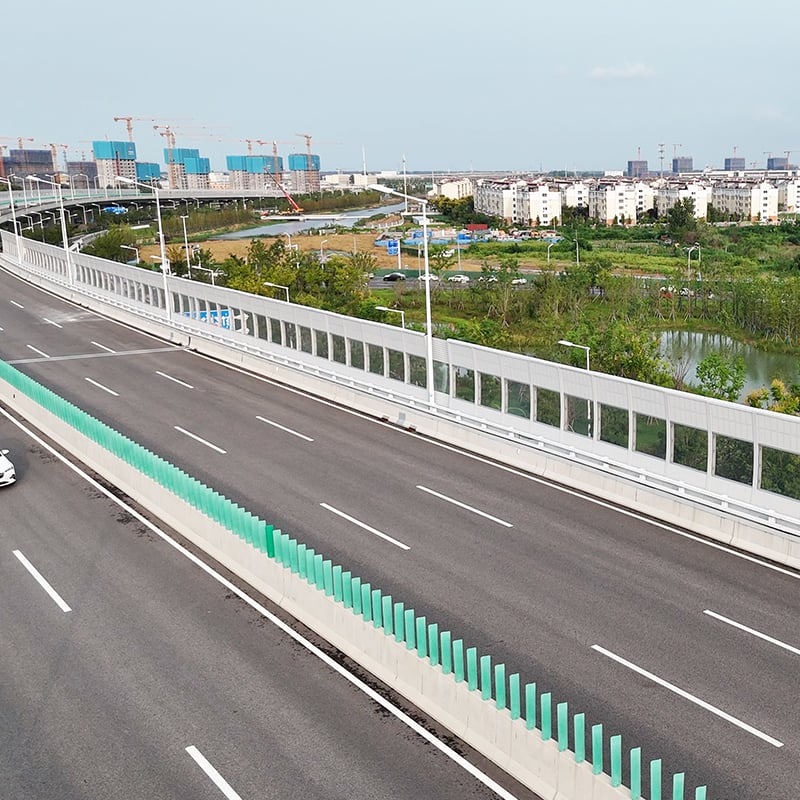
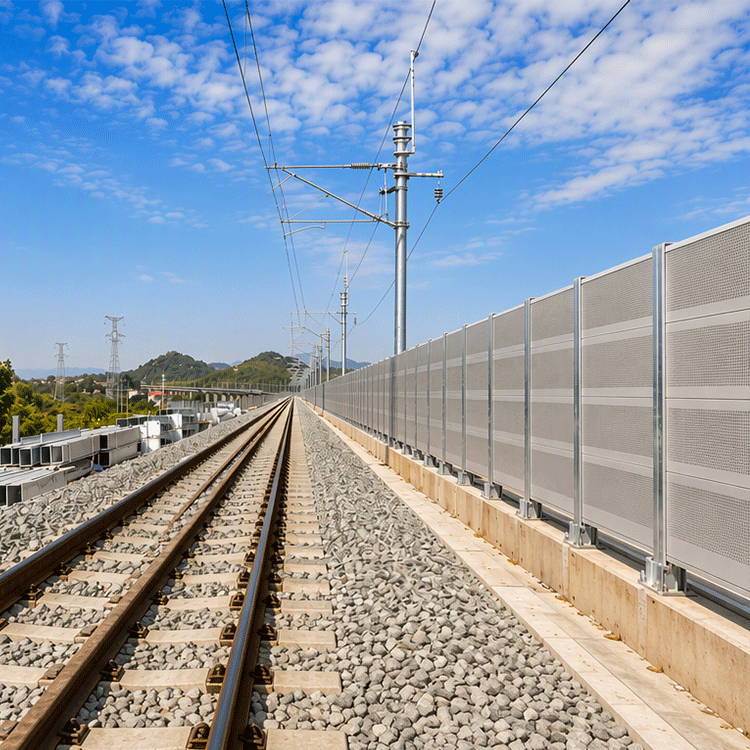
Construction noise barriers serve various applications in urban environments. They are primarily used to minimize noise pollution from highway and railway construction, protecting nearby residential areas and commercial establishments. In urban development projects, they can significantly enhance the quality of life for residents by mitigating the disruptive effects of traffic noise. 

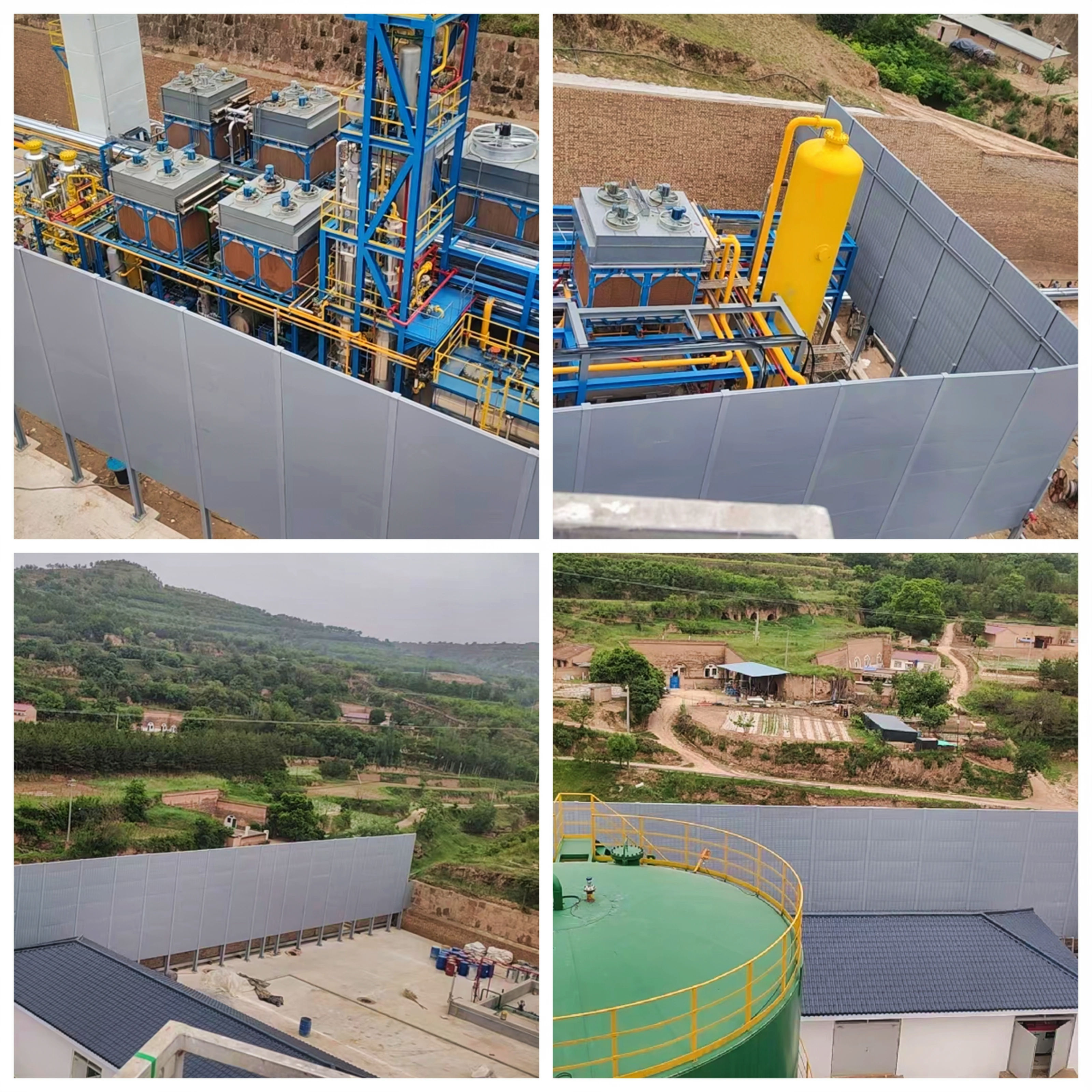
Moreover, these barriers are valuable in municipal works, such as parks and recreational areas, where maintaining a peaceful environment is essential. They can also be employed in industrial settings to shield sensitive operations from external noise, thereby improving working conditions. 

In addition to traditional applications, innovative designs and materials are now being explored to integrate noise barriers into the aesthetic elements of urban landscapes. This trend is particularly relevant in cities where visual impact is a significant consideration. By combining functionality with design, construction noise barriers can contribute positively to urban development while addressing sound pollution effectively. 

By understanding these aspects, buyers can make strategic decisions that not only fulfill their noise mitigation objectives but also enhance the overall urban environment. 

How to Choose the Right Construction Noise Barrier for Your Projec

Selecting the right construction noise barrier involves several considerations tailored to your specific project needs. First, assess the noise levels in the area where the barrier will be installed. This will help you determine the required Noise Reduction Coefficient (NRC) and barrier height. For instance, a higher barrier may be necessary if the noise source is significantly elevated, such as from a highway overpass. 

Next, consider the materials used in the noise barrier's construction. Common materials include concrete, steel, and composite materials that provide varying levels of sound insulation and durability. For instance, concrete barriers are often favored for their robustness and superior sound attenuation but may require additional structural support depending on the installation location and environmental conditions. 

Lastly, evaluate the anticipated lifespan and maintenance requirements of the barrier. A well-designed noise barrier should withstand weather conditions and potential impacts without extensive upkeep. Understanding these parameters will ensure that you select a noise barrier that not only meets your noise reduction goals but also aligns with your project timeline and budget constraints.

Frequently Asked Questions

What is the construction noise barrier used for?

Our construction noise barriers reduce traffic and rail noise for highways, railways, municipal projects and transit systems, protecting nearby residents and sensitive facilities.
We use durable materials and steel structures; the company holds ISO 9001, 14001 and 45001 certifications to ensure quality, safety and environmental compliance.
Yes. We integrate R&D, design, production and on-site installation, delivering tailored barrier designs and full installation services for various projects.
Barriers can be customized in height, length, material, transparency and finish to meet acoustic, aesthetic and site-specific requirements.
Yes. Founded in 2005 with four production bases and overseas subsidiaries, we have long-term domestic and international experience supplying noise barriers and steel structures.

Our Blog Posts

How Highway Metal Noise Barrier Suppliers Meet Long-Span Requirements

08

Sep

How Highway Metal Noise Barrier Suppliers Meet Long-Span Requirements

Innovative Engineering In Road Metal Noise Barrier SuppliersOne of the ways people are limiting noise is through the use of metal noise barriers on highways. These obstacles are produced by firms such as Jinbiao, which specialize in producing what ca...
View More
What to Consider When Bidding Bridge Noise Barrier Retrofits

01

Dec

What to Consider When Bidding Bridge Noise Barrier Retrofits

If you're preparing to bid on bridge noise barrier retrofits, there’s much to manage. It’s not as simple as price or materials. The work consists of figuring out the type of noise barriers that are required, how they would be constructed on the exist...
View More
Why Rail Projects Specify HSR Noise Barrier Suppliers Early

05

Jan

Why Rail Projects Specify HSR Noise Barrier Suppliers Early

It is essential to connect cities and move people rapidly between them, as it has always been. Noise is one majors worry associated with these projects. High-speed trains are very noisy, and this noise can irritate peoples who live near the tracks.&n...
View More
How Industrial Noise Barriers Reduce Noise?

07

Jul

How Industrial Noise Barriers Reduce Noise?

Industrial noise barriers, also known as acoustic barriers or sound barriers, are acoustic structures installed between a noise source and the area that requires protection (such as factory boundaries or worker operating zones). By physically blockin...
View More

Get a Free Quote

Our representative will contact you soon.
Email
Name
Company Name
Message
0/1000

Get a Free Quote

Our representative will contact you soon.
Email
Name
Company Name
Message
0/1000