 EN
Noise reduction barriers are essential solutions for mitigating sound pollution in various environments, particularly in urban areas, near highways, and along railways. For buyers in the B2B sector, the primary concerns involve selecting the right type of residential sound barriers that meet specific project requirements, ensuring reliable sourcing, and understanding the noise reduction barriers cost implications. This article aims to provide detailed insights into noise reduction barriers, helping purchasing managers, engineers, and project managers make informed decisions about their noise control needs.


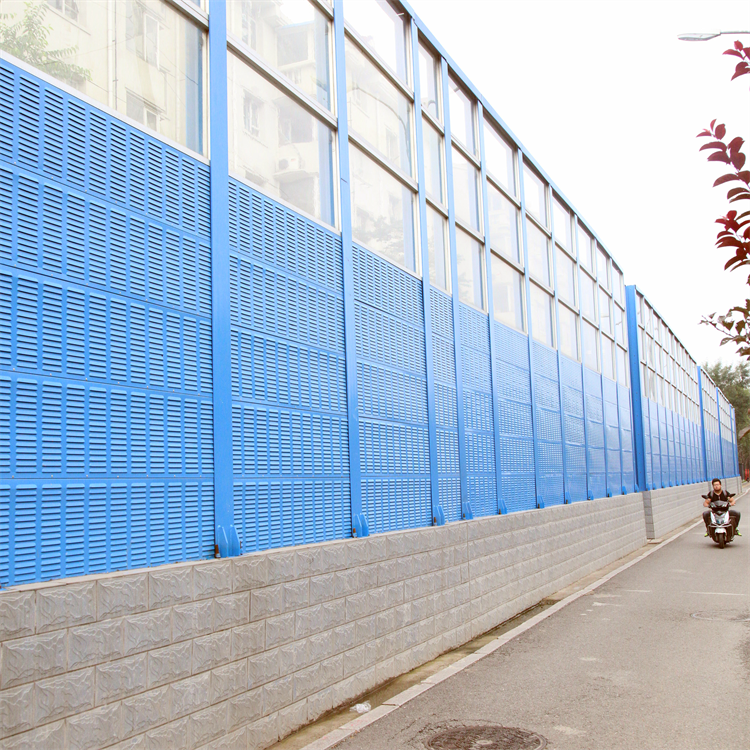
Where to Source Reliable Noise Reduction Barriers for Wholesale Purchasing
Finding a reliable supplier for noise reduction barriers is essential for ensuring quality and consistency. When sourcing, consider the following:
Manufacturing Capabilities: Look for companies with proven manufacturing capabilities and experience in producing noise reduction barriers. Hebei Jinbiao, for example, is a leading manufacturer with multiple production bases and certifications that ensure quality control.
Certifications: Verify that the supplier holds relevant certifications such as ISO 9001 for quality management, ISO 14001 for environmental management, and ISO 45001 for occupational health and safety. These certifications indicate a commitment to maintaining high standards in production and safety.
Export Experience: Suppliers with a track record of exporting to noise reduction barriers various markets, including regions like Singapore, Vietnam, Canada, and Dubai, demonstrate their ability to meet diverse regulatory requirements and adapt to different customer needs.
Customer Support: A reputable supplier should offer excellent customer support, including assistance with product selection, technical specifications, and after-sales service.