 EN
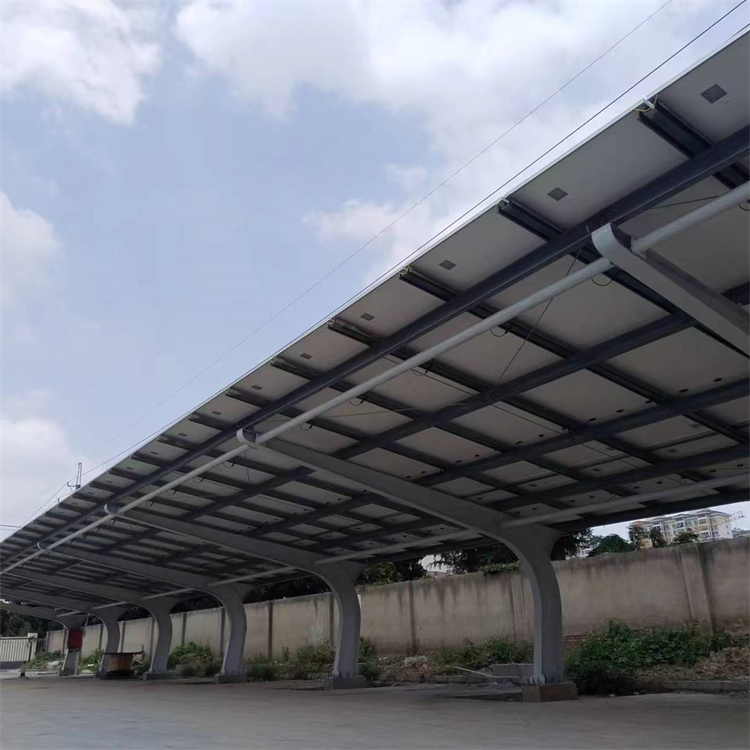
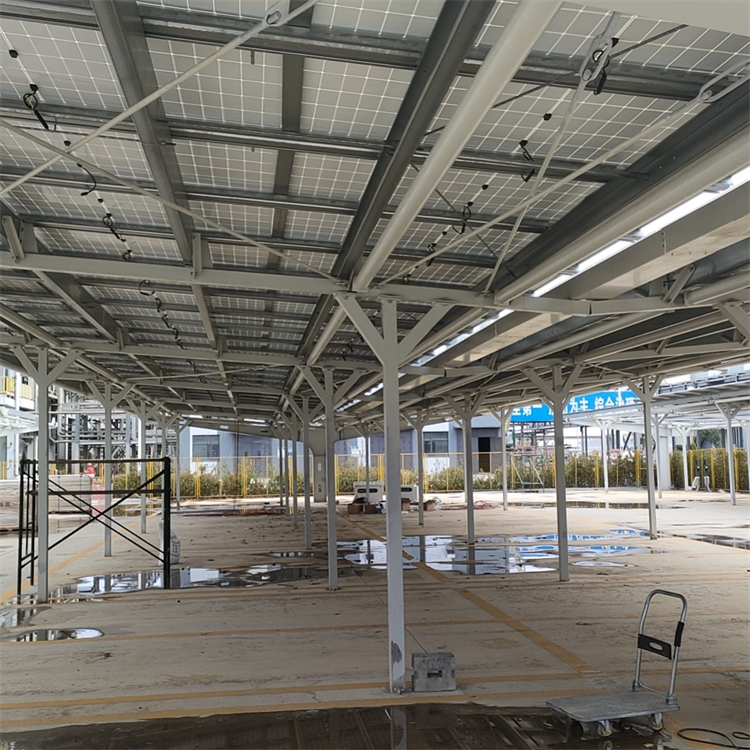
A solar carport is an innovative structure that combines parking with solar energy generation, making it an ideal solution for commercial and industrial spaces seeking to maximize land use while promoting sustainability. For B2B buyers such as purchasing managers, engineers, and project managers, the main concerns typically revolve around solar carport specifications, installation best practices, and the economic viability of such investments. This article will provide a comprehensive overview of carport solar system specifications, key buying factors, installation best practices, and purchasing tips to facilitate informed decision-making.
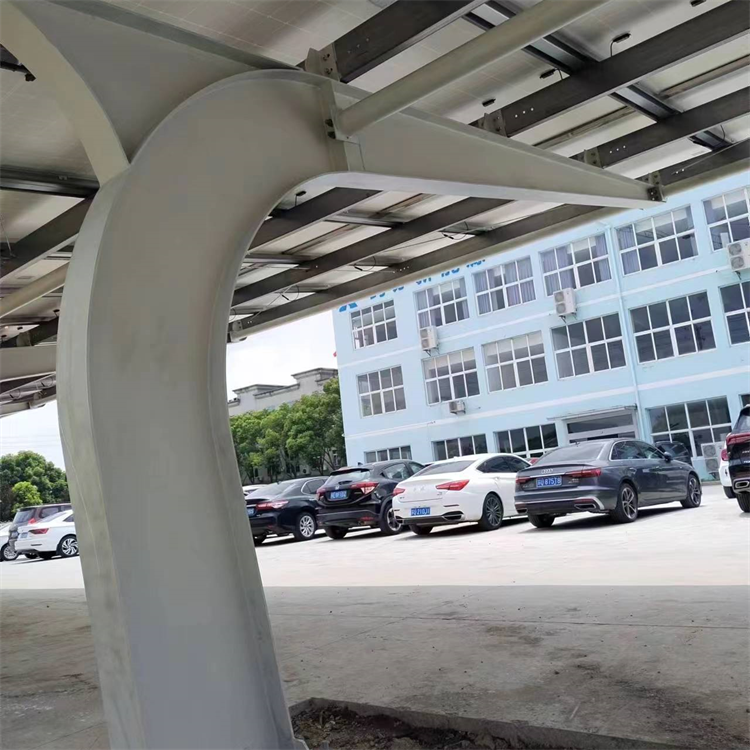
Key Factors for Buyers
Several key factors can significantly influence the purchasing decision for solar carport. First, the total cost of ownership should be evaluated, which includes not just the initial purchase price but also installation, maintenance, and potential energy savings. B2B buyers should conduct a life-cycle cost analysis to understand the long-term financial implications.
Another vital consideration is customization capabilities. Depending on the site requirements, buyers may need specific designs, dimensions, or features. Suppliers with robust customization options can cater to unique project needs, ensuring that the solar carport integrates seamlessly with existing infrastructure.
Lead times and minimum order quantities (MOQs) are also important factors. Understanding the supplier’s production capacity and delivery timelines can help buyers plan their projects more effectively. When placing bulk orders, it is advisable to confirm these details early in the procurement process.
Finally, a supplier’s reputation and experience in the industry carry significant weight. Buyers should look for manufacturers with a proven track record in producing high-quality solar pv carport and a solid quality assurance process.