Steel Noise Barriers for Effective Sound Reduction

All Categories

Get a Free Quote

Our representative will contact you soon.
Email
Name
Company Name
Message
0/1000

Steel noise barrier

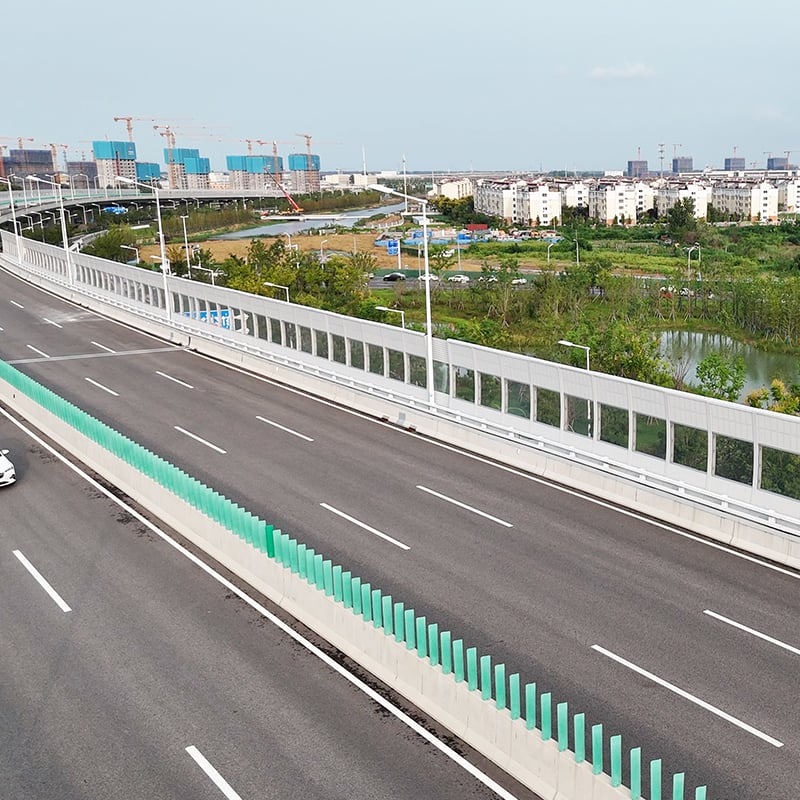
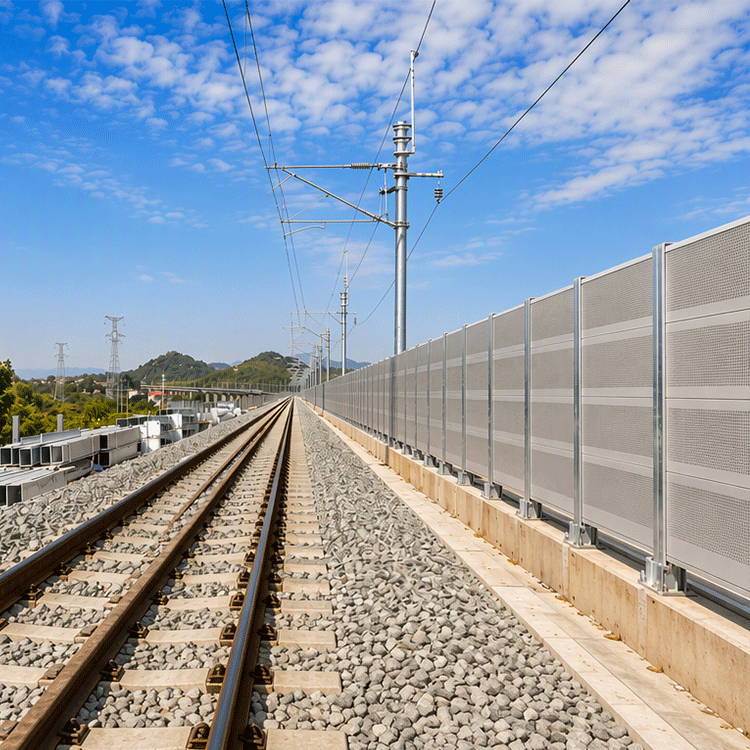
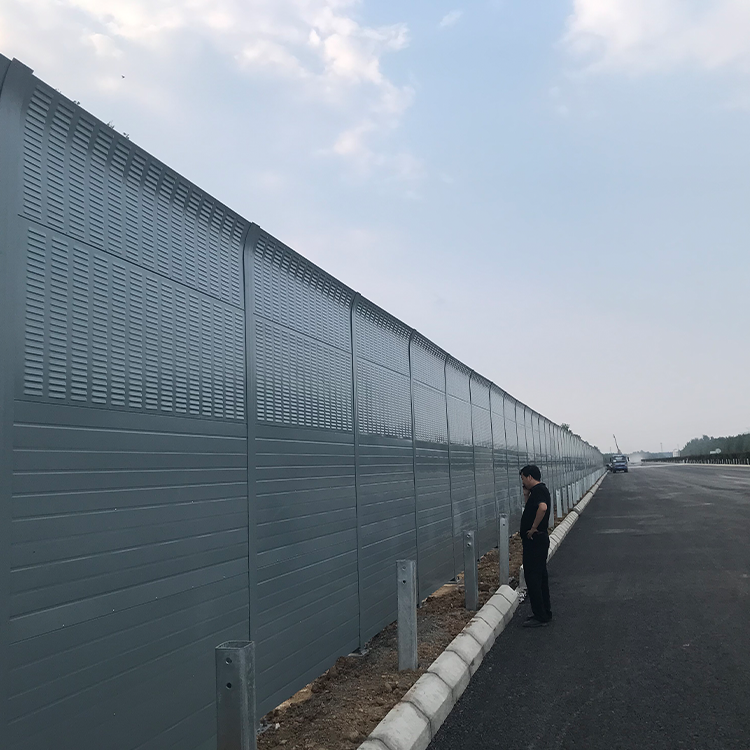
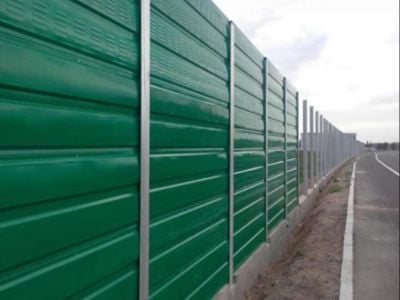
Steel noise barriers are essential structures designed to reduce sound pollution from highways, railways, and urban developments. For companies involved in infrastructure projects, selecting the right steel noise barriers can be a significant concern, impacting not only compliance with regulations but also community acceptance of projects. This article will delve into key specifications, sourcing options, installation guidance, common problems, and the advantages of steel noise barriers over alternative materials, providing valuable insights for purchasing managers, engineers, and project managers. 

Our Products

Where to Source Reliable Steel Noise Barriers in Bulk

Where to Source Reliable Steel Noise Barriers in Bulk

Sourcing steel noise barriers in bulk requires careful consideration of suppliers. Here are some strategies to ensure reliability: 

Established Manufacturers: Look for companies with a solid track record in producing noise barriers, such as Hebei Jinbiao Construction Materials Tech Corp., Ltd., known for its integrated approach to design, production, and installation. 

Certifications: Prioritize manufacturers with relevant certifications such as ISO 9001, 14001, and 45001. These indicate a commitment to quality management, environmental responsibility, and occupational health and safety. 

Production Capabilities: Evaluate the supplier's production capacity and capabilities. Manufacturers with multiple production bases can often fulfill large orders more efficiently. 

Customization Options: Choose suppliers that offer customization to meet specific project requirements, such as specific dimensions or acoustic performance needs. 

References and Case Studies: Request references from previous projects and case studies demonstrating the effectiveness of the noise barriers in real-world applications. 

By leveraging these strategies, purchasing managers can secure reliable sources for steel noise barriers that align with their project specifications. 
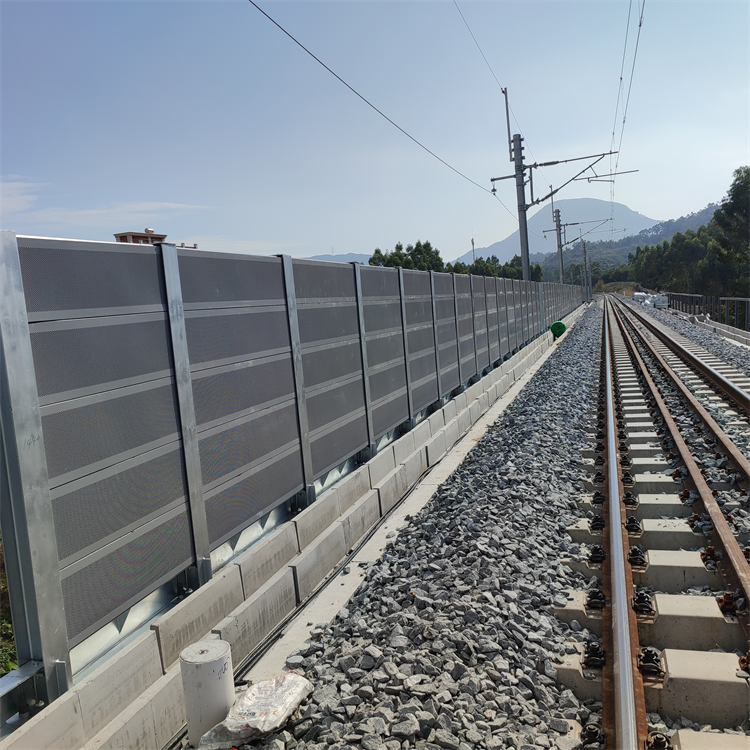
Installation Guidance for Steel Noise Barriers in Various Settings

Installation Guidance for Steel Noise Barriers in Various Settings

Proper installation is crucial for maximizing the performance of steel noise barriers. Here are key considerations: 

Site Assessment: Conduct a thorough assessment of the installation site, including soil conditions, existing structures, and proximity to noise sources. This will inform the design and installation approach. 

Foundation Requirements: Ensure a solid foundation based on the barrier’s height and expected wind loads. Deep foundations may be necessary in areas with unstable soil. 

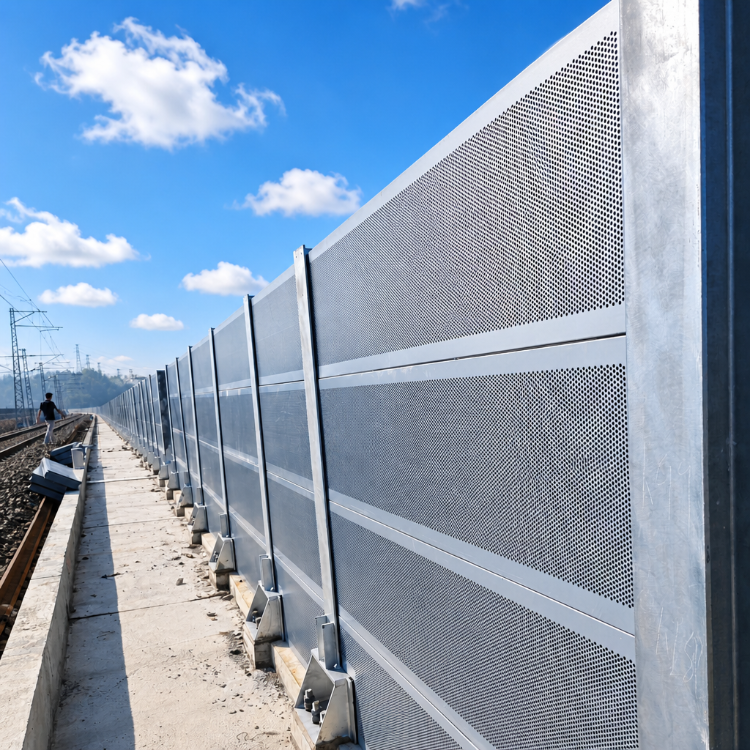
Panel Alignment: During installation, panels should be aligned correctly to prevent gaps that can diminish sound attenuation. Use precision tools to ensure panels are level and securely fastened. 

Sealing and Finishing: After installation, inspect for any visible gaps or unsealed edges. Proper sealing is vital to prevent sound leakage and enhance durability. 

Maintenance Access: Plan for maintenance access around the noise barrier panels to ensure they can be inspected and maintained regularly to prolong their lifespan. 

By following these guidelines, project teams can ensure that steel noise barriers are installed effectively, maximizing their sound-reducing capabilities. 

Common Problems with Noise Barriers and Effective Solutions

Common Problems with Noise Barriers and Effective Solutions

While steel noise barriers are effective, several common issues can arise: 

Corrosion: Over time, exposure to environmental elements can lead to corrosion. Using high-quality galvanized steel or applying protective coatings can mitigate this problem. 

Structural Damage: Impacts from vehicles or natural forces can damage barriers. Regular inspections post-installation can help identify and address any structural integrity issues early. 

Inadequate Sound Reduction: If barriers do not meet expected sound reduction levels, it may be due to incorrect height or placement. Reassessing the noise source and adjusting the barrier’s specifications may be necessary. 

Aesthetic Concerns: Unattractive barriers can lead to community push back. Custom finishes or landscaping around the barriers can improve their visual appeal. 

Installation Errors: Poor alignment or inadequate foundation can compromise performance. Ensuring trained professionals handle installation can reduce these risks significantly. 

By proactively addressing these issues, companies can maintain the effectiveness and integrity of their noise barriers. 

Advantages of Steel Noise Barriers Over Alternative Materials

Steel noise barriers offer several advantages compared to alternative materials, such as concrete or plastic: 

Durability: Steel barriers generally have a longer lifespan than other materials, resisting impacts and environmental wear better than wood or plastic options. 

Acoustic Performance: When designed with acoustic materials, steel barriers can provide superior sound attenuation compared to some alternatives, making them ideal for noisy environments. 

Customization: Steel barriers can be easily fabricated to meet specific project requirements, including height, thickness, and aesthetic finishes, allowing for greater flexibility in design. 

Lower Maintenance: Steel requires less maintenance than wood, which may rot or warp over time. Properly treated steel barriers can withstand harsh weather conditions for years. 

Recyclability: Steel is a recyclable material, making it a more environmentally friendly option when considering end-of-life disposal. 

By understanding these advantages, buyers can make informed decisions when selecting industrial noise barrier for their projects, ensuring they choose the most effective solution for their needs. 

In summary, selecting the right steel noise barriers involves understanding their specifications, finding reliable sources, ensuring proper installation, addressing potential problems, and recognizing their advantages over other materials. This knowledge will help B2B buyers make informed decisions, ensuring their projects meet both performance and community standards.  

Key Specifications for High-Quality Steel Noise Barriers

Understanding the specifications of steel noise barriers is crucial for ensuring their effectiveness. Key specifications include: 

Material Composition: High-quality steel is essential for durability and sound attenuation. Look for galvanized or weather-resistant coatings to prolong the lifespan of the barriers. 

Height and Thickness: The height should be determined based on the source of noise and the intended reduction level. Typically, barriers range from 2 to 6 meters in height. Thickness is typically between 6 to 12 mm, affecting sound absorption capabilities. 

Sound Absorption Coefficient: This rating indicates how well a material absorbs sound. A higher coefficient means better noise reduction. For steel noise barrier, look for panels designed with acoustic materials that enhance sound absorption. 

Structural Integrity: Assess the barrier’s ability to withstand environmental factors such as wind loads and seismic activity. This is especially important for installations in areas prone to extreme weather conditions. 

Installation Compatibility: Ensure that the design allows for easy installation on various substrates, whether they be concrete, soil, or existing structures. 

Understanding these specifications will help buyers ensure that the barriers meet both regulatory requirements and project-specific needs. 

Frequently Asked Questions

What is a steel noise barrier and its purpose?

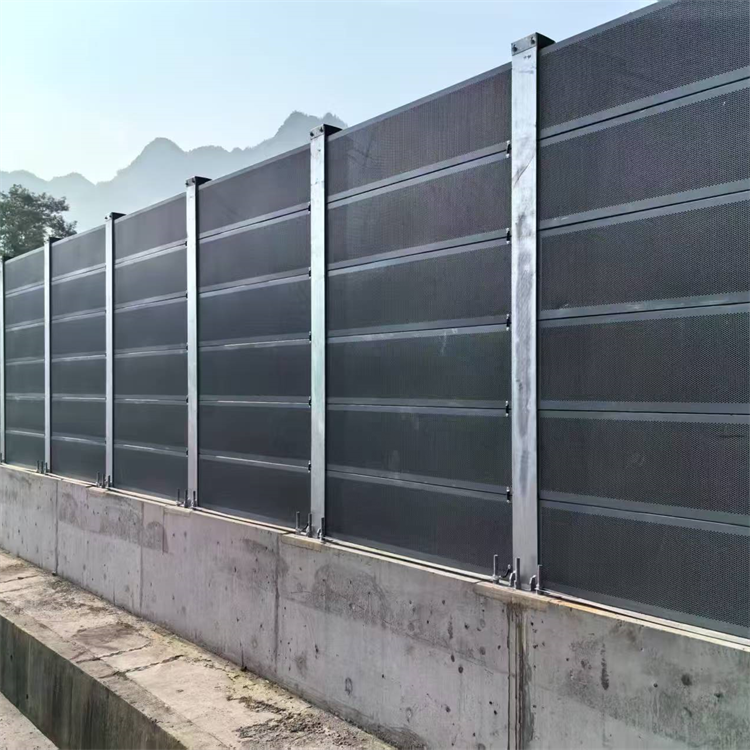
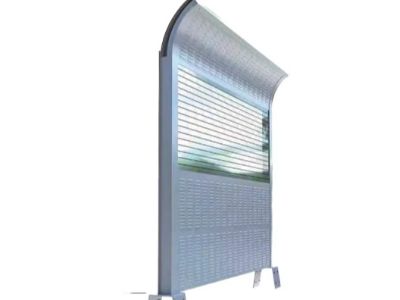
A steel noise barrier is a prefabricated structure made of treated steel panels designed to reduce traffic and rail noise, protect nearby communities, and improve urban soundscapes along highways, railways and municipal projects.
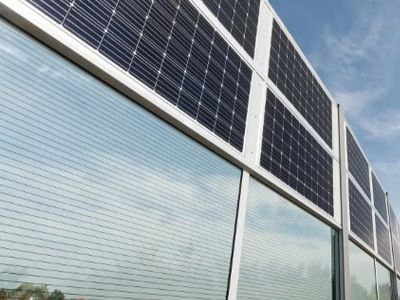
We use high-strength galvanized or weathering steel with anti-corrosion coatings, acoustic absorbent layers and optional transparent panels to ensure durability, low maintenance and long service life in diverse climates.
Yes. We offer customized heights, lengths, panel profiles, colors, acoustic performance and mounting systems to meet project specifications for highways, rail transit and municipal works.
Yes. We supply turnkey services including design, fabrication, transport, on-site installation and after-sales technical support backed by our experienced RD and installation teams.
We adhere to ISO 9001, 14001 and 45001 quality, environmental and safety management standards, ensuring reliable manufacturing, testing and project delivery.

Our Blog Posts

Latest Trends in Composite HSR Noise Barrier Technology

29

Nov

Latest Trends in Composite HSR Noise Barrier Technology

These barriers are composed of a combination of hard materials, which perform best in concert. They also help sound not to go a long way, and they last forever, and they look real nice. At Jinbiao, we’ve worked hard so these barriers are the better f...
View More
What Design Data Drives Fully Enclosed Noise Barrier Procurement

29

Nov

What Design Data Drives Fully Enclosed Noise Barrier Procurement

At Jinbiao, we understand the importance of such nuances because we manufacture Noise Barrier for a variety of these requirements. What are the Design Data to Guarantee Good Quality of Procured Fully Enclosed Noise Barrier? At Jinbiao, we a...
View More
What Testing Validates HSR Noise Barrier Performance

29

Nov

What Testing Validates HSR Noise Barrier Performance

Noise barriers for HSR are very critical. They prevent the noise of trains from disturbing homes and businesses nearby. But how do we decide whether these barriers are actually good barriers? Testing is the key. Testing determines whether the barrier...
View More
What Is a 3D Wire Fence? Benefits, Structure & Applications Explained

17

Mar

What Is a 3D Wire Fence? Benefits, Structure & Applications Explained

In today’s industrial and residential design, fencing is no longer just a tool for marking boundaries. It must not only provide reliable security and privacy but also enhance the overall visual appeal of a property. If you are looking for a so...
View More

Get a Free Quote

Our representative will contact you soon.
Email
Name
Company Name
Message
0/1000

Get a Free Quote

Our representative will contact you soon.
Email
Name
Company Name
Message
0/1000