 EN
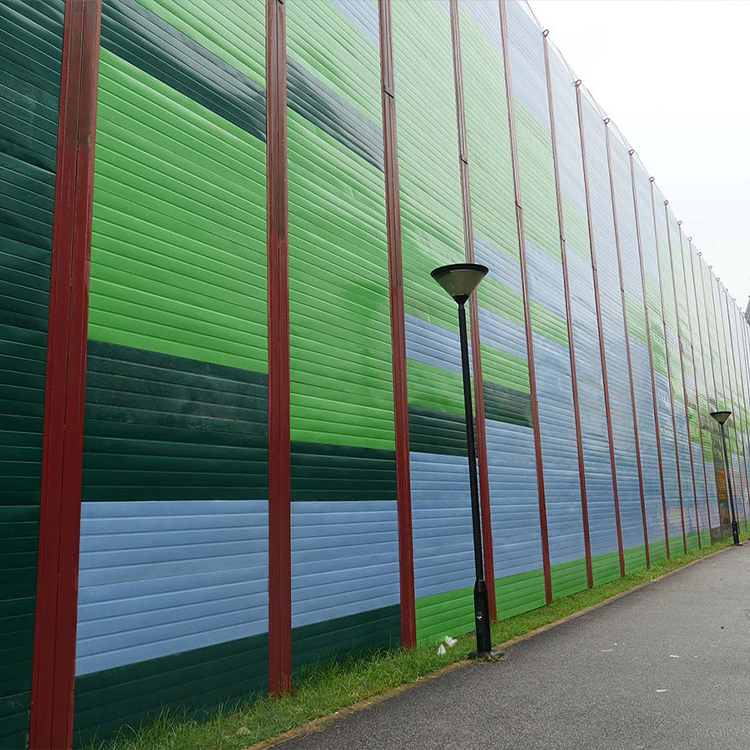
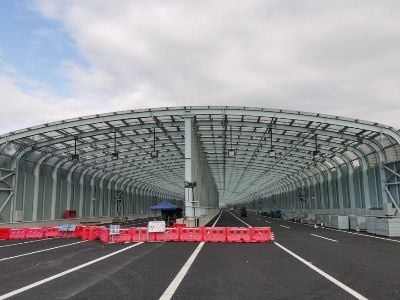
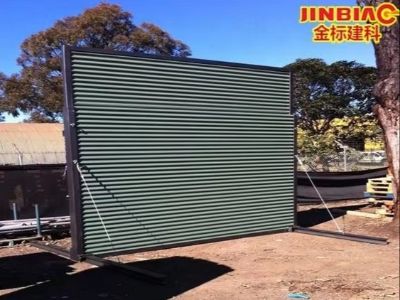
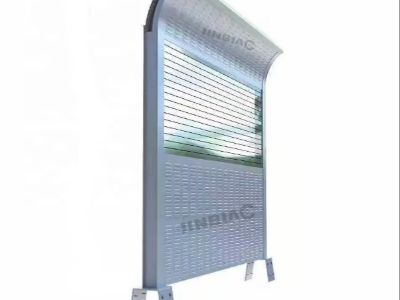
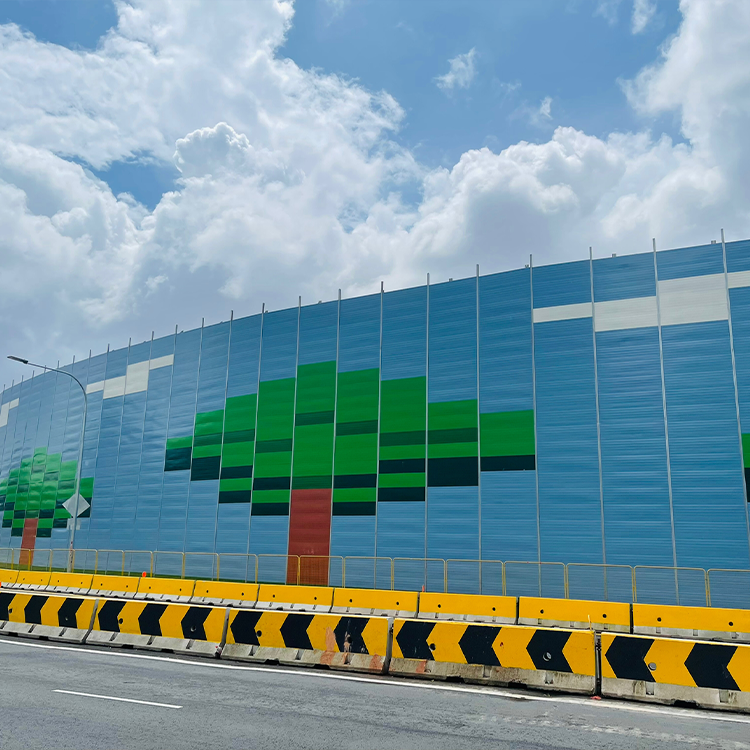
Temporary construction sound barriers are essential components in managing noise pollution at construction sites, highways, and other industrial areas. They serve to minimize sound transmission and protect nearby communities from disruptive noise, which is a critical concern for project managers and purchasing agents. This article will delve into key considerations when selecting these barriers, options for wholesale suppliers, cost factors for bulk purchases, various applications, and a comparison of materials used in residential sound barriers.


How to Evaluate the Quality of Temporary Construction Sound Barriers
Choosing a reliable wholesale supplier is crucial for obtaining high-quality temporary construction sound barriers. Here are some considerations when evaluating suppliers:
Experience and Reputation: Look for suppliers with a proven track record in manufacturing sound barriers. Companies like Hebei Jinbiao Construction Materials Tech Corp., Ltd., with extensive industry experience, can provide valuable insights into product selection and application.
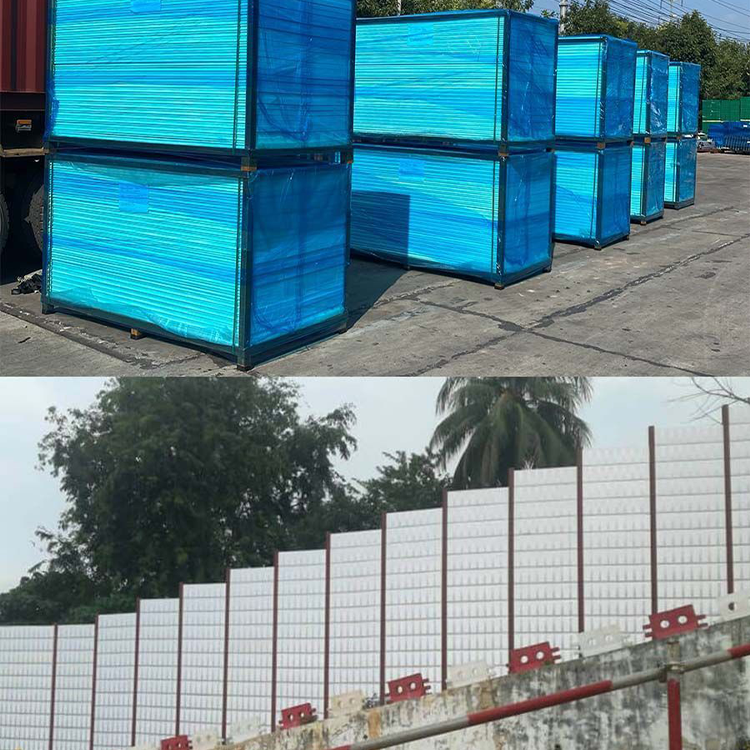
Production Capabilities: Assess the supplier's manufacturing capacity and capabilities. Ensure they can meet your volume requirements and deadlines, especially for large-scale projects.
Quality Assurance: Suppliers should have strict quality control processes in place, including compliance with ISO standards. This ensures that the barriers meet safety and performance requirements.
Customization Services: A good supplier should offer options for customization based on project needs, allowing for tailored solutions that address specific noise reduction objectives.
Support and Communication: Effective communication is key. Choose suppliers who are responsive and willing to provide technical support or advice on product use and installation.