358 prison fence: high security welded mesh perimeter system
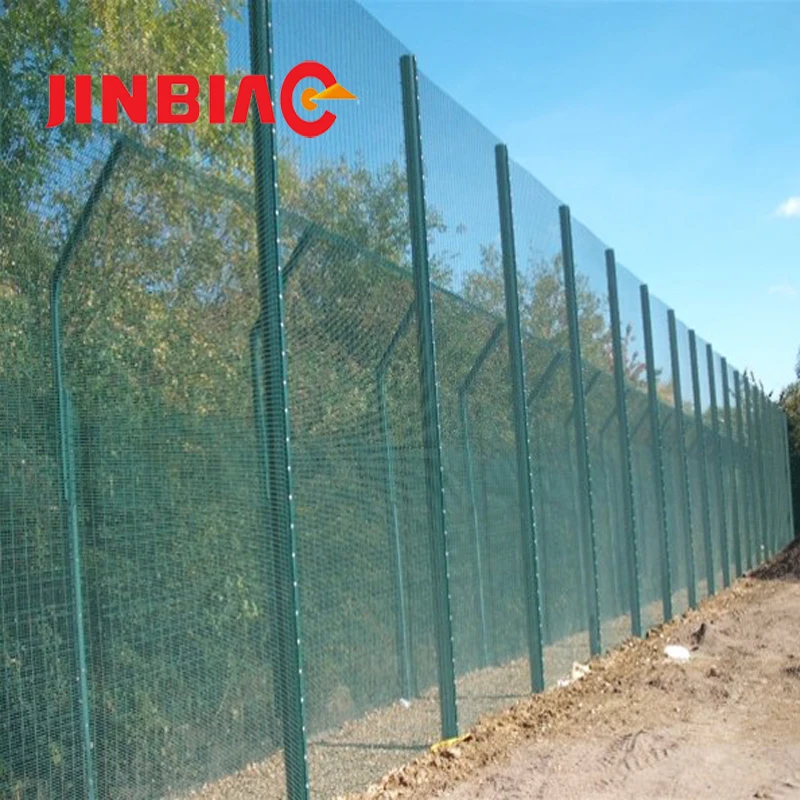
Climb- and cut-resistant welded panels for prison, detention and secure perimeters. Built from 4 mm wire, supplied from 1.8 m to 5.2 m high, hot dip galvanized and powder coated to the specified colour.
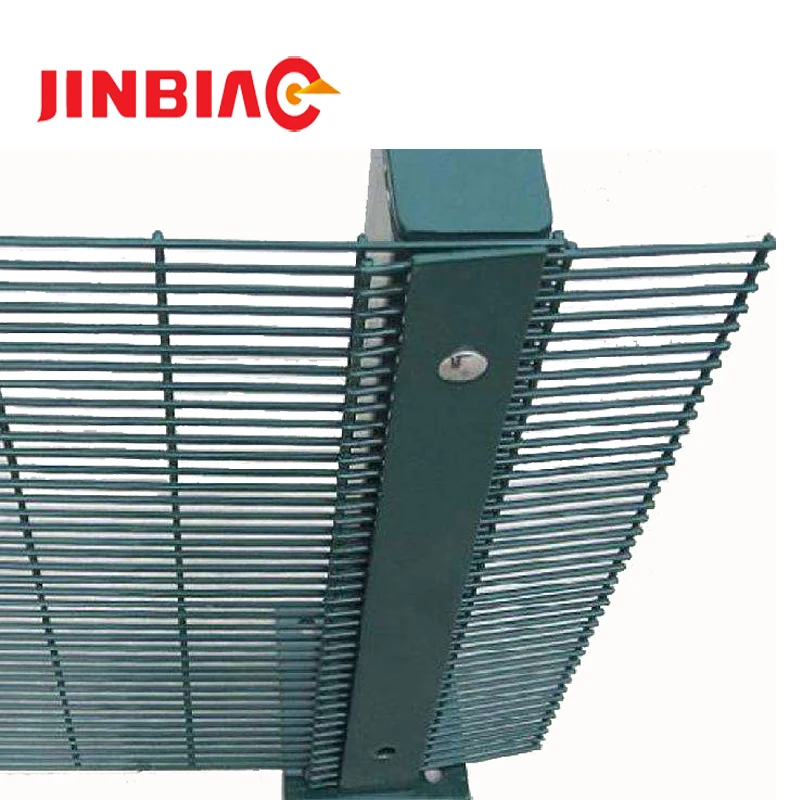
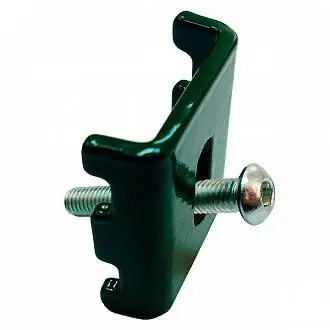
Panels are overlapped at each post and clamped with M8 bolts. Gates, toppings and foundations are separate scope items and should be stated in the enquiry.
Mesh, wire, post and weld data are set out in the specification table below.
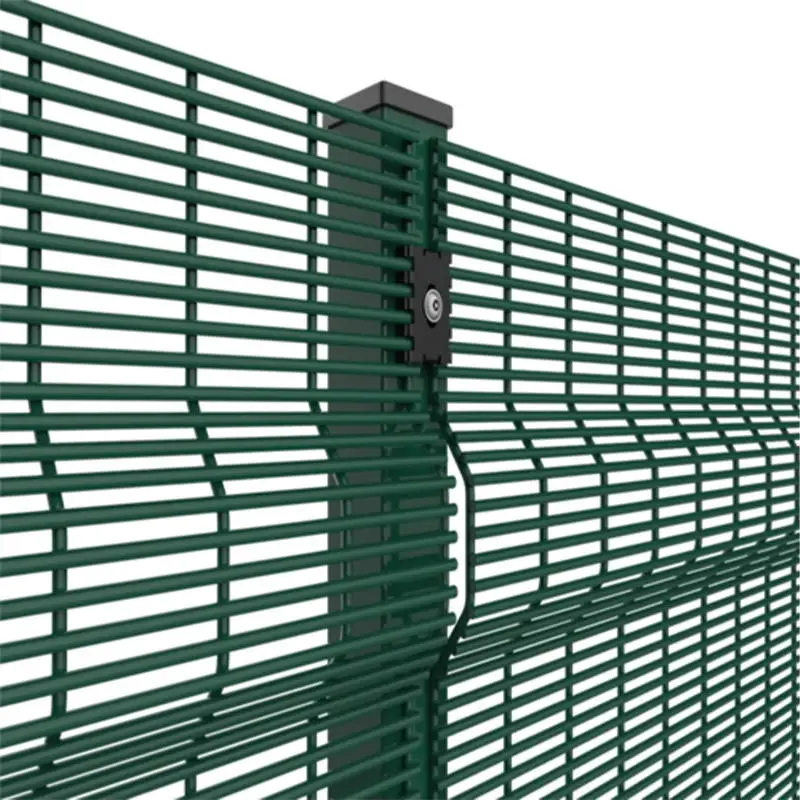
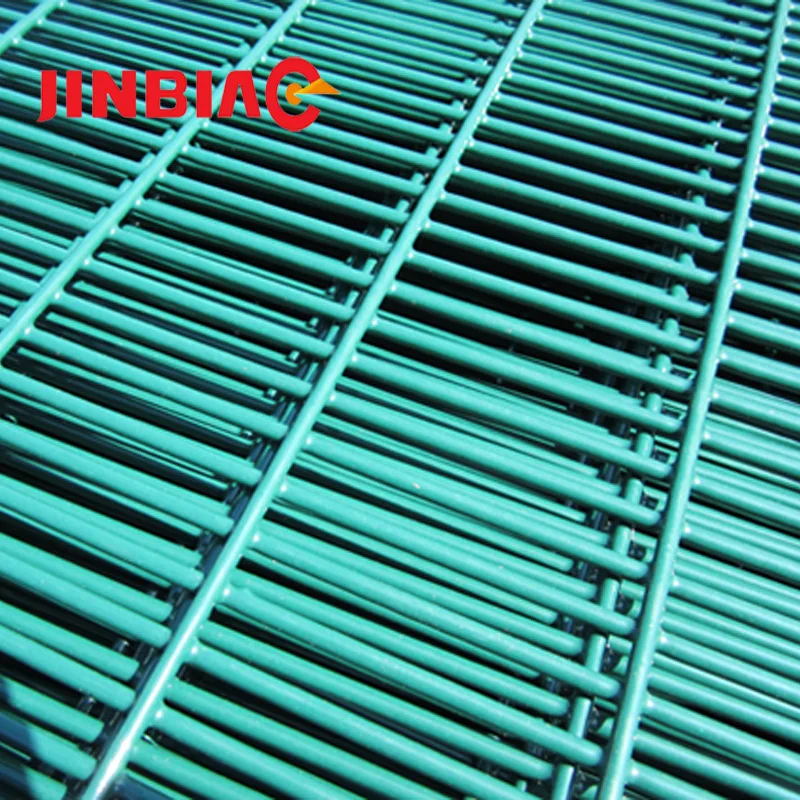
A 358 prison fence is a welded mesh panel system built for perimeters where the fence has to delay a determined intruder rather than simply mark a boundary. The panel is made from 4 mm wire welded into a 76.2 × 12.7 mm aperture, hot dip galvanized and then powder coated, and it is fixed to steel posts with clamp bars and M8 bolts.
The specification below is what JINBIAO manufactures for a 358 prison fence on prison, detention and other high security sites. Heights run from 1.8 m up to 5.2 m, so the same panel system can serve a low boundary wall and a full anti-climb screen.
Mesh, wire and panel specification
| Product | 358 prison fence panel, welded mesh |
| Mesh aperture | 76.2 × 12.7 mm (3 in × 0.5 in) |
| Horizontal wire | 4 mm |
| Vertical wire | 4 mm at 76.2 mm centres |
| Panel height | 1.8 / 2.0 / 2.4 / 2.7 / 3.0 / 4.0 / 5.2 m |
| Post centres | 2.0 / 2.2 / 2.5 / 3.0 m |
| Fixing | Panels overlapped on each post, secured with clamp bars and M8 bolts |
| Tensile strength | 540–690 N/mm² |
| Weld strength | 75% of the minimum tensile strength of the wire |
| Finish | Hot dip galvanized, then powder coated to the specified colour |
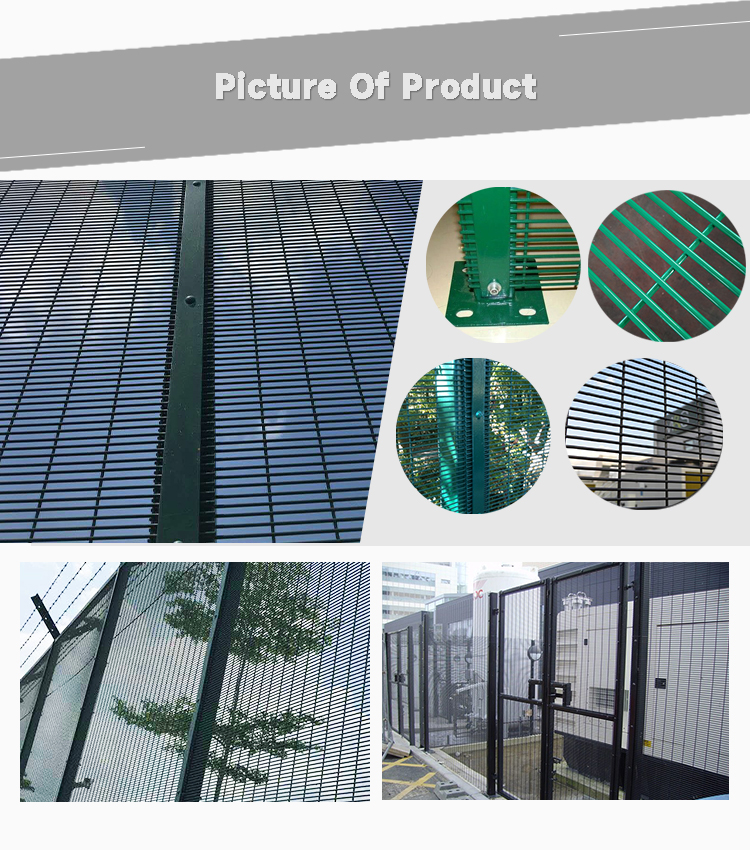
What the numbers in "358" mean
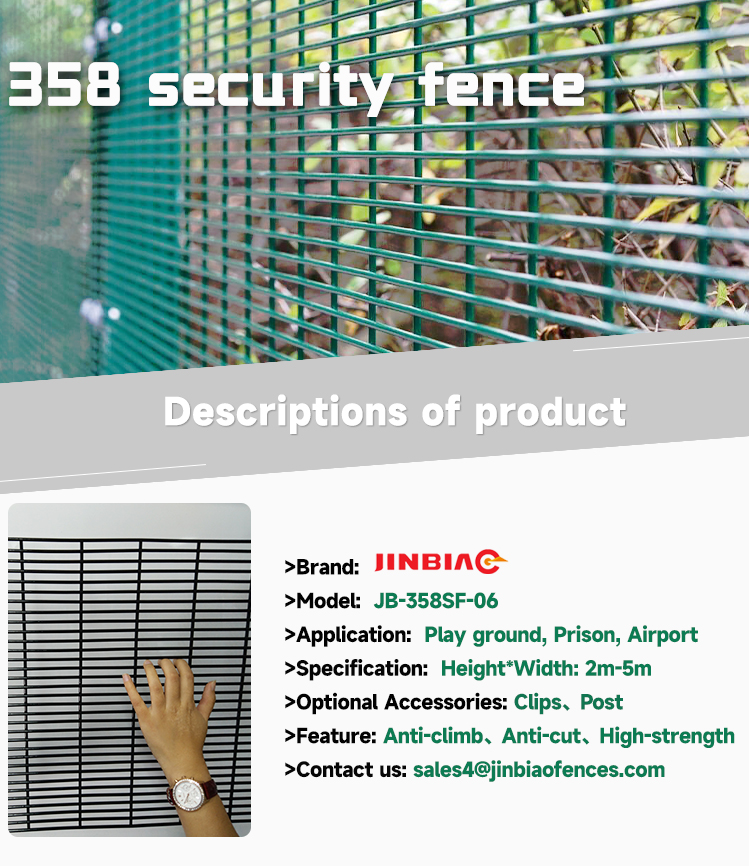
The name is the mesh, not a product code: three inches by half an inch, in eight gauge wire. Three inches is 76.2 mm, half an inch is 12.7 mm, and eight gauge is 4 mm. Every 358 prison fence on the market is described the same way, which is why the aperture and wire diameter have to be written out on any drawing — a panel sold as "358" at 3 mm wire is a different product with a different resistance.
Why the aperture resists climbing and cutting
The 76.2 mm horizontal spacing is too narrow for a boot to find a foothold and too wide for a hand to grip comfortably; the 12.7 mm vertical gap is narrower than a finger. The result is a surface with no purchase on it, which is the whole point of the geometry. It also allows a clear view through the fence for patrols and cameras, unlike a solid wall.
Cutting resistance comes from the wire and the weld rather than the aperture alone. A 4 mm wire welded at every intersection means a hand tool has to defeat two wires at once, and the weld holds 75% of the wire's minimum tensile strength. For a prison perimeter this matters more than the gauge figure, because it is the joint that fails first on a cheaper panel.
Posts, clamps and panel joints
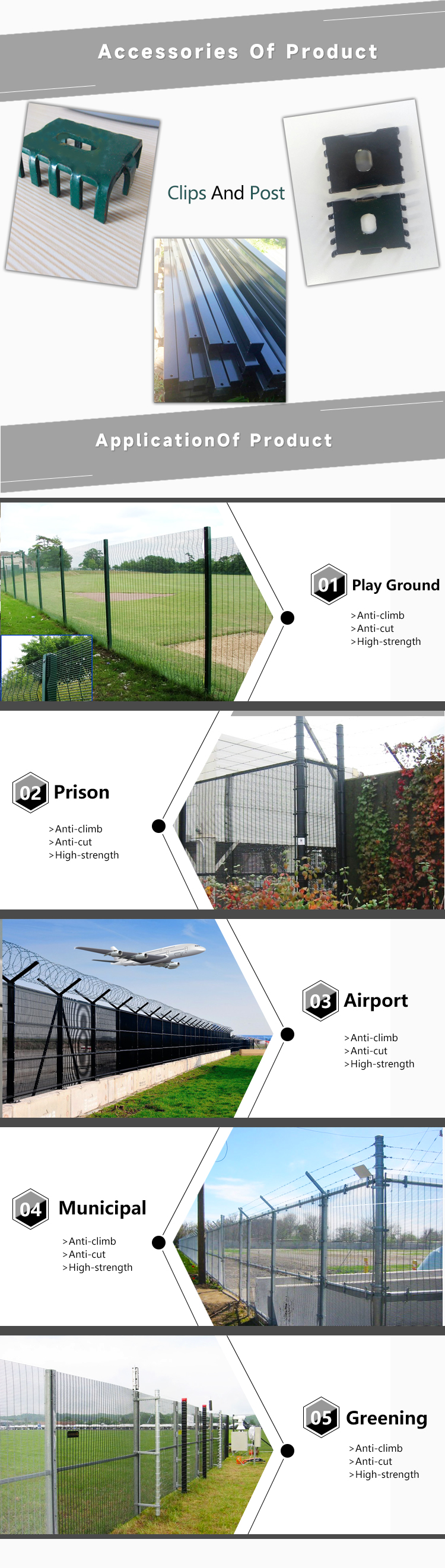
On a 358 prison fence the panels are overlapped at each post rather than butted, and held with clamp bars and M8 bolts. The overlap is what gives the line its rigidity and closes the gap that a butted joint leaves at the post. Post centres between 2.0 m and 3.0 m change the number of posts per metre and the wind performance of the run, so the spacing should be stated on the drawing rather than left to the installer.
Where the fence changes direction or height, the corner and step posts carry load that a straight run does not. Ask for those details with the panel drawing — they are the parts most often missing from a quotation and most often improvised on site.
Coating for a secure environment
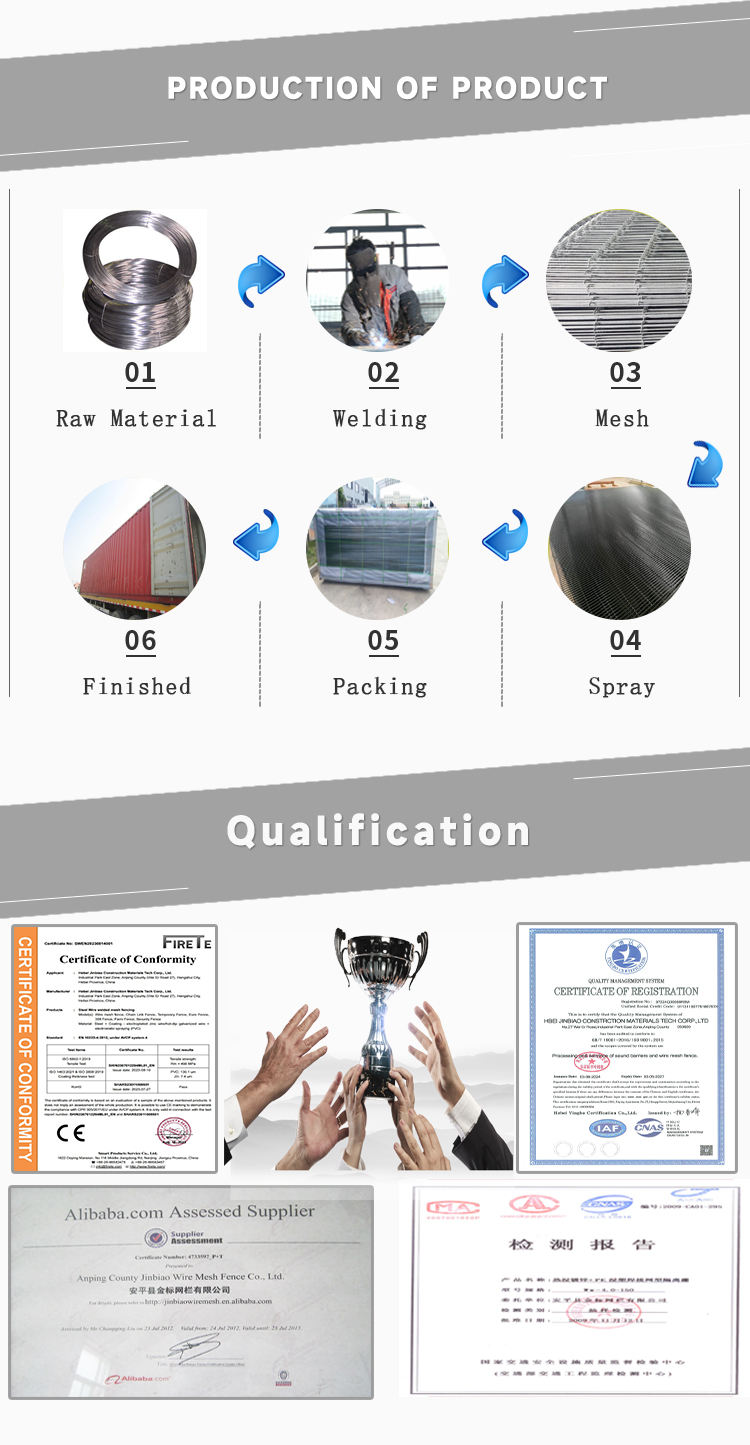
Hot dip galvanizing protects the wire and the weld zone, including the cut ends, and the powder coating over it adds colour and a further barrier. For a 358 prison fence, two points are worth putting in the enquiry: the galvanized coating weight or thickness, and whether the powder is applied over galvanized steel or over bare wire. The second is the difference between a fence that dulls in ten years and one that shows rust at the joints in two.
On a 358 prison fence, colour is usually specified to match the surrounding architecture or to sit quietly in a landscape. Send the RAL number or a physical sample; a screen colour will not match a coated panel.
What to send with an enquiry
A 358 prison fence gets quoted without a round of questions when the enquiry carries five items: the total length and the number of corners, the required height, the coating (galvanized only, or galvanized plus powder in a stated colour), post centres if the project fixes them, and whether gates, toppings or razor wire brackets are in scope. Foundations and installation are normally separate and should be stated as in or out.
Related reading: the comparison of 358 fence and chain link fence explains where each system is the correct choice, the 358 prison mesh fencing page covers the application in more detail, and extra high security 358 mesh panels shows the taller configurations.


 EN