 EN
Industrial safety fencing is a crucial component in maintaining safe work environments across various industries. It serves as a physical barrier that delineates hazardous areas, ensuring that personnel and equipment remain protected from potential dangers. For B2B buyers, key concerns revolve around suitability for specific applications, compliance with safety standards, and cost-effectiveness. This article provides insights into selecting the right industrial safety fencing, evaluating costs, sourcing reliable suppliers, addressing common issues, and exploring its applications across different sectors.


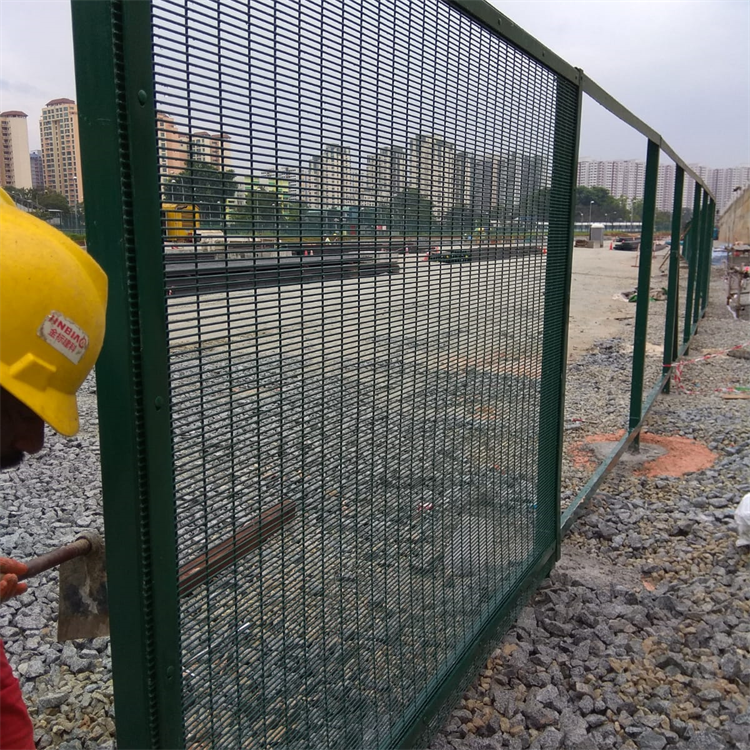
Evaluating the Cost Factors of Industrial Safety Fencing Solutions
Cost is a fundamental concern when sourcing industrial safety fencing. Several factors contribute to the overall pricing, including material choice, design complexity, and installation requirements. Steel fencing tends to be more expensive than aluminum due to its strength and durability, but it may offer lower long-term costs through reduced maintenance and higher longevity.
Another cost consideration is the quantity ordered. Many suppliers, including Hebei Jinbiao, have minimum order quantities (MOQ) that can affect pricing. Bulk purchases may lead to discounts, so it’s vital for buyers to assess their needs accurately. Furthermore, installation costs can vary significantly based on site conditions and whether the supplier offers installation services. It's advisable for buyers to obtain detailed quotations that include all associated costs, ensuring comprehensive budgeting.
Finally, consider the total cost of ownership, which includes maintenance expenses over the security fence life cycle. Regular inspections and potential repairs should be factored into the purchasing decision to avoid unexpected costs down the line.