Choosing Metal Mesh Fences: Key Considerations

All Categories

Get a Free Quote

Our representative will contact you soon.
Email
Name
Company Name
Message
0/1000

Metal mesh fence

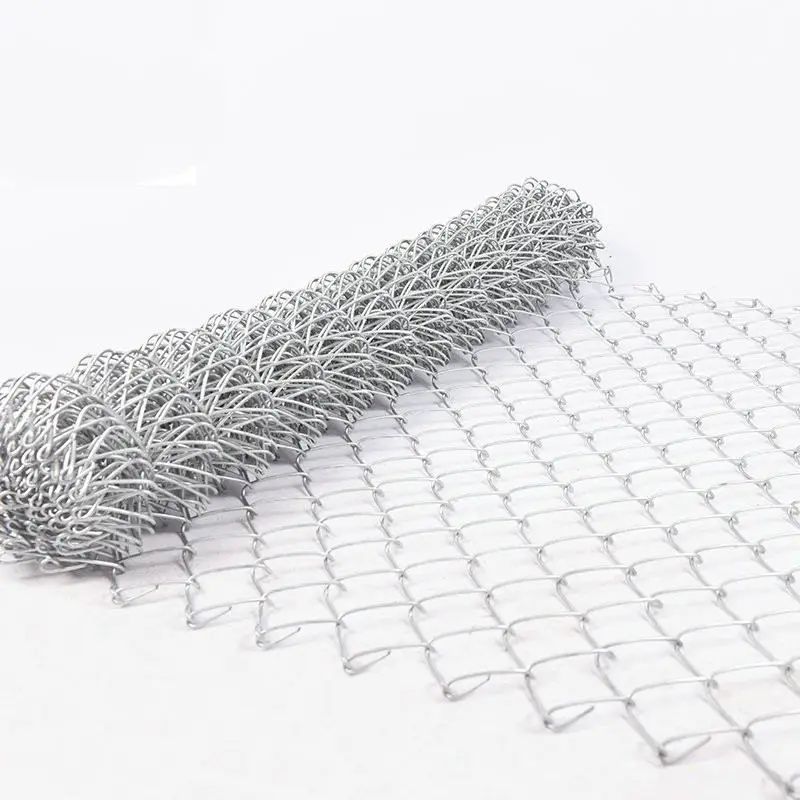
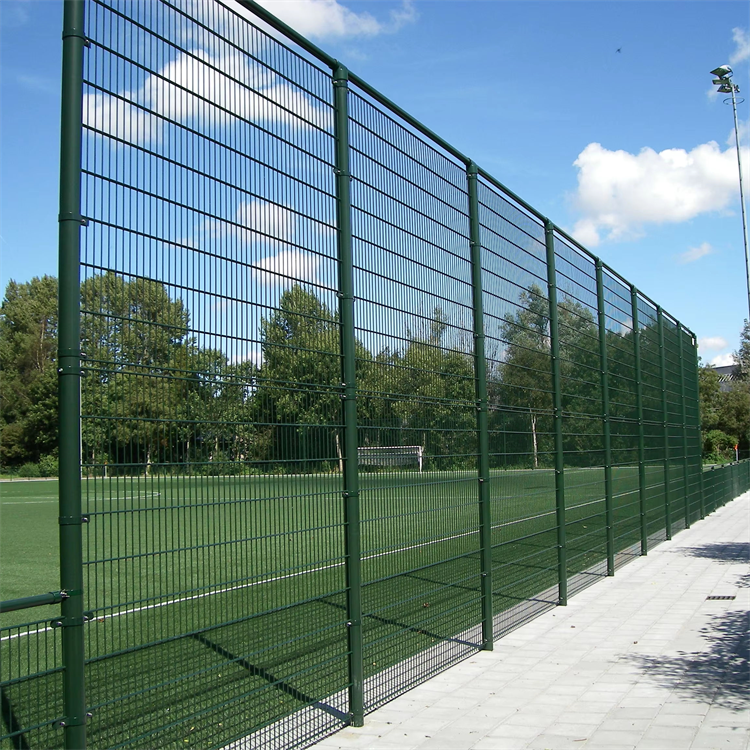
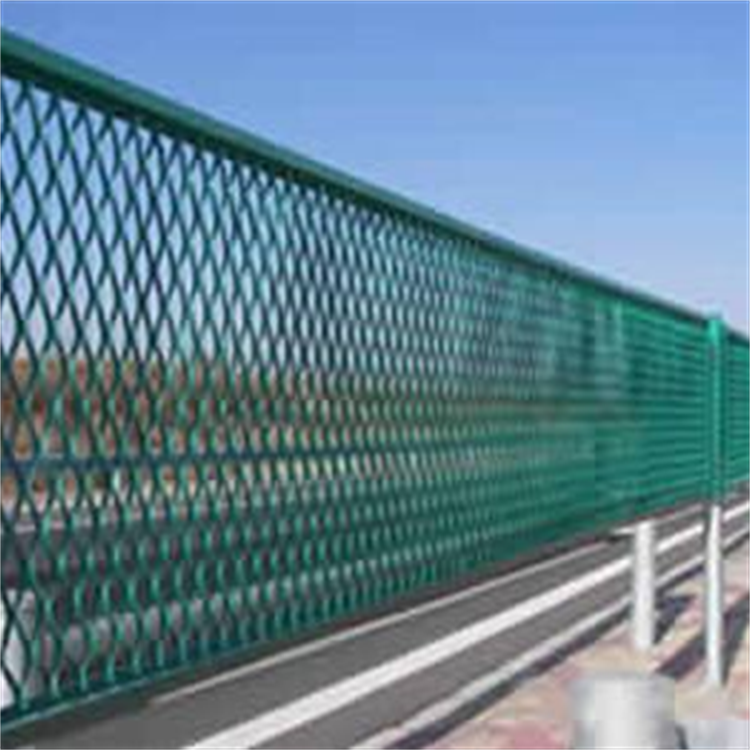
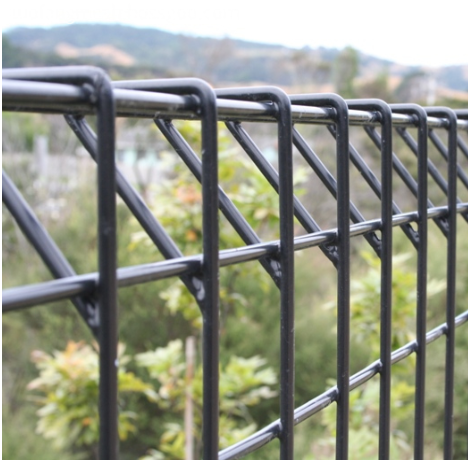
Metal mesh fences are versatile and durable solutions widely used in various applications such as security, boundary marking, and noise reduction. As a purchasing manager or distributor, understanding the intricacies of metal mesh fences is crucial for making informed decisions. This article will explore essential considerations when selecting these products, focusing on quality, installation challenges, material advantages, and detailed specifications to aid in your procurement process.
Our Products

Quality Control Measures for Reliable Metal Mesh Fence Manufacturing

Quality Control Measures for Reliable Metal Mesh Fence Manufacturing

Quality control is paramount in the manufacturing of metal mesh fences to ensure product durability and compliance with industry standards. Here are some key measures to consider: 

Material Inspection: Before production begins, raw materials should be inspected for quality and compliance with specifications. This includes verifying the type of metal and its treatment processes, such as galvanization for corrosion resistance. 

Production Process Monitoring: Continuous monitoring during the manufacturing process is essential. This includes overseeing welding, weaving, and coating processes to ensure they meet predefined standards. 

Testing and Certification: Finished products should undergo rigorous testing to assess their strength, corrosion resistance, and overall durability. Certifications such as ISO 9001 can indicate a manufacturer’s commitment to quality management systems. 

Final Inspection: Conduct thorough inspections of the final product before shipment. This includes checking dimensions, weld integrity, and surface finish. Any non-conformities should be addressed before products leave the facility. 

Implementing these quality control measures can significantly reduce the risk of defects and ensure that the metal mesh fences delivered to customers meet their expectations. 
Common Installation Challenges with Metal Mesh Fences and Solutions

Common Installation Challenges with Metal Mesh Fences and Solutions

Installing metal mesh fences can present several challenges, but understanding these can help mitigate issues: 

Ground Preparation: Uneven ground can complicate installation. Proper site assessment and preparation, including grading or leveling the area, can prevent problems during installation. 

Post Installation: Ensuring posts are installed securely and at the correct depth is critical for wire mesh fence stability. Using concrete for post setting can enhance durability, especially in high-wind areas. 

Alignment and Tension: Proper alignment and tensioning of the mesh are crucial for maintaining the fence's integrity. Ensure that the fencing is tautly secured to prevent sagging or deformation over time. 

Weather Conditions: Adverse weather can impact installation timelines and methods. Planning installations during favorable weather can help avoid complications. 

By anticipating these challenges and implementing effective solutions, buyers can facilitate a smoother installation process, ensuring the fence performs as intended. 

Understanding Material Advantages of Metal Mesh Fences for Buyers

Understanding Material Advantages of Metal Mesh Fences for Buyers

Metal mesh fences offer several material advantages that make them an appealing choice for various applications: 

Durability: Metal mesh fences are known for their long-lasting properties. Materials like galvanized steel resist rust and corrosion, extending the lifespan of the product, especially in harsh environments. 

Low Maintenance: Unlike wooden fences, which may require regular staining or replacement, metal mesh fences typically need minimal maintenance. Regular inspections and occasional cleaning can keep them in optimal condition. 

Versatility: These fences can be used in a range of applications, from security fencing to agricultural uses. Their adaptability makes them suitable for both industrial and residential settings. 

Aesthetic Appeal: Modern metal mesh fences can be designed to be visually appealing, enhancing the aesthetic value of properties. Options such as powder coating in various colors allow for customization to match surrounding environments. 

Understanding these material benefits can help buyers justify their investment in metal mesh fences and communicate their value to stakeholders. 

Essential Details About Metal Mesh Fence Products

When considering metal mesh fence products, several essential details need to be clearly understood to facilitate informed purchasing decisions: 

Specifications: Key specifications include wire gauge, mesh size, and height. These should align with the intended application and security requirements. For instance, a higher gauge wire with smaller mesh openings is optimal for security fences. 

Packaging and Shipping: Understanding the packaging methods used can impact delivery logistics. Welded wire mesh fencing may be bundled or coiled, affecting shipping costs and handling. Confirm packaging details with suppliers to ensure smooth delivery. 

Minimum Order Quantity (MOQ): Different suppliers may have varying MOQs, which can impact procurement strategies. Knowing these details upfront helps in planning purchases effectively. 

Lead Time: Inquire about lead times for production and delivery. This is especially important for projects with tight timelines or specific deadlines. 

Customization Capabilities: Determine the extent of customization available, including color options, additional coatings, or specific dimensions. This flexibility can be crucial for meeting specific project needs. 

Being well-informed about these product details enables buyers to make confident purchasing decisions and align their needs with supplier offerings. 

What to Consider When Choosing Metal Mesh Fences for Wholesale

When selecting metal mesh fences for wholesale, several factors must be taken into account to ensure optimal performance and suitability for your intended application. 

Material Selection: Common materials include galvanized steel, stainless steel, and aluminum, each offering different levels of corrosion resistance, strength, and weight. For example, galvanized steel is cost-effective and provides good durability, while stainless steel offers superior corrosion resistance, making it suitable for coastal areas. 

Gauge and Mesh Size: The gauge of the wire impacts the strength and flexibility of the fence. A lower gauge number indicates thicker wire, which is generally stronger. Mesh size, or the distance between wire intersections, affects visibility and security. Consider the specific security needs and environmental conditions when selecting these parameters. 

Height and Length: Height requirements vary by application. For security purposes, taller fences are typically recommended, while shorter models may suffice for decorative uses. Ensure that the length accommodates your project’s boundaries. 

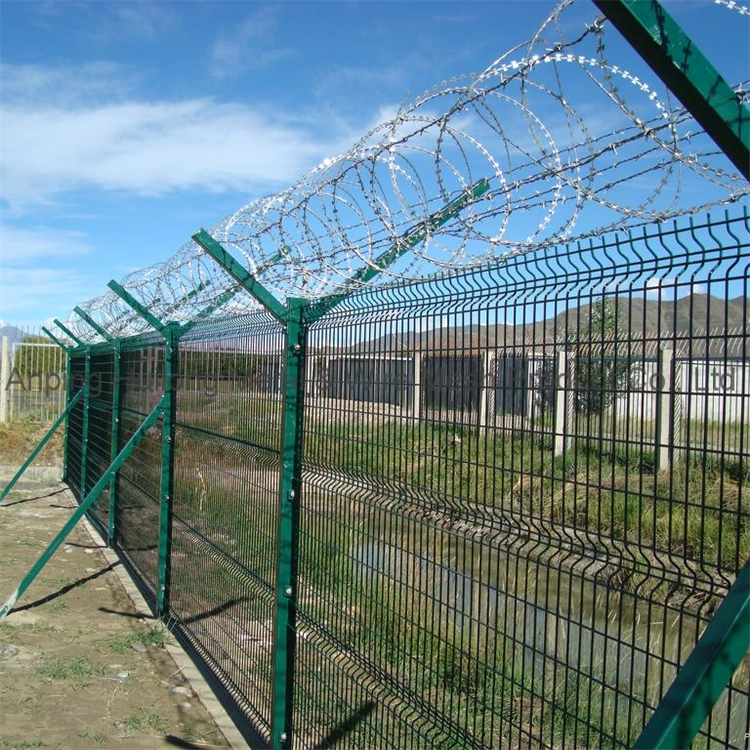
Customization Options: Depending on the supplier, customization may be available. Options might include specific colors, coatings, or additional features like barbed wire for enhanced security. Be clear about your requirements to avoid delays in production. 

Regulatory Compliance: Check local regulations regarding fencing materials and heights. Some areas may have strict guidelines to follow for safety and aesthetic reasons. 

By addressing these factors, buyers can ensure the selected metal mesh fence meet their specific needs and comply with any legal requirements. 

Frequently Asked Questions

What materials are used in the metal mesh fence?

Our metal mesh fences use high-quality steel with anti-corrosion coatings, meeting industry standards for durability and safety in traffic and municipal applications.
We offer customizable panel sizes and various mesh patterns to suit highway, railway and municipal needs; dimensions and openings are tailored per project requirements.
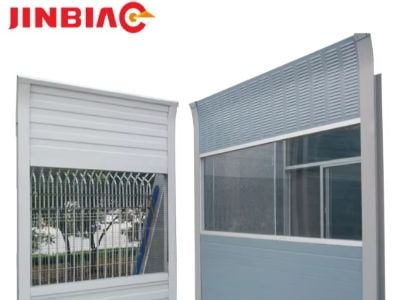
Yes. As an experienced noise barrier producer, we design mesh fences compatible with acoustic panels and can integrate them into combined noise-reduction systems.
Manufactured in ISO 9001/14001/45001-certified facilities with rigorous RD and production controls to ensure consistent quality and safety compliance.
Yes. We offer professional installation, project design support, and after-sales service through our production and installation teams and overseas subsidiaries.

Our Blog Posts

The HSR Noise Barrier Panel Jointing Requirements Explained

29

Nov

The HSR Noise Barrier Panel Jointing Requirements Explained

Noise barrier panels are vital components for limiting unwanted noise from places such as highways and railways. When those panels are joined together, there will be joints — the areas where two panels meet — that must be treated with care. If the jo...
View More
The PMMA Noise Barrier Thickness Options for Highways

05

Jan

The PMMA Noise Barrier Thickness Options for Highways

PMMA noise barriers apply for sound reduction on highways. They help shield homes and schools from the noise of cars and trucks. This holds especially in busy places and where noise traffic tends to disrupt people’s lives. PMMA is the abbreviation of...
View More
What Project Data Engineers Need for TNCB Noise Barrier Bids

05

Jan

What Project Data Engineers Need for TNCB Noise Barrier Bids

The barriers are unique walls designed to limit highway or rail noise. To be successful in the field, engineers must learn how to gather the right information, understand what makes a bid stand out and know where they can find helpful resources.&nbsp...
View More
What is a Noise Reduction Barrier?

07

Jul

What is a Noise Reduction Barrier?

A noise reduction barrier is a specially engineered structure designed to block, absorb, or reduce unwanted noise from sources such as highways, railways, industrial plants, and construction sites. By controlling sound wave transmission, these barrie...
View More

Get a Free Quote

Our representative will contact you soon.
Email
Name
Company Name
Message
0/1000

Related product categories

Get a Free Quote

Our representative will contact you soon.
Email
Name
Company Name
Message
0/1000