Choosing the Right Woven Wire Fence for Your Project

All Categories

Get a Free Quote

Our representative will contact you soon.
Email
Name
Company Name
Message
0/1000

Woven wire fence

 article aims to clarify your buying concerns and guide you through the essential factors to woven wire fence consider when selecting woven wire fencing. Choosing the right woven wire fence is crucial for various applications, whether for security, agricultural use, or decorative purposes. As a B2B buyer, it's important to understand the critical specifications, materials, and manufacturing processes involved in woven wire fencing to ensure you make an informed decision. This
Our Products

A Step-by-Step Guide

A Step-by-Step Guide

Define Your Needs: Start by assessing the purpose of the fence. Is it for security, livestock containment, or aesthetic appeal? This will guide your choice of material, gauge, and height. 

Research Suppliers: Look for reputable manufacturers like Hebei Jinbiao Construction Materials Tech Corp., Ltd., known for their expertise in woven wire fencing. Review their certifications and product offerings. 

Request Samples: Before placing a bulk order, request samples to evaluate material quality, finish, and gauge. This step is crucial to ensure the product meets your expectations. 

Review Specifications: Ensure that all specifications such as chain wire fence supplies gauge, mesh size, and material type align with your project requirements. Confirm that the supplier can meet these specifications consistently. 

Consider Customization: If standard products do not meet your needs, inquire about customization options. Many manufacturers can tailor dimensions,  coatings, and finishes to fit your project. 

Check Quality Assurance Processes: Understand the quality control measures the woven wire fence supplier employs to ensure the integrity and durability of the fencing products. 

Finalize Your Order: Once satisfied with the samples and specifications, finalize your order, confirming the lead time, packaging, and delivery options. 
Common Problems with Woven Wire Fencing and Effective Solutions

Common Problems with Woven Wire Fencing and Effective Solutions

While woven wire fencing is a durable and versatile option, buyers should be aware of common issues that may arise: 

Rust and Corrosion: Depending on the material, woven wire fences may be prone to rust. To woven wire fence mitigate this, choose galvanized or stainless steel options, or consider a PVC coating for added protection. 

Incorrect Installation: Improper installation can lead to sagging or misalignment. Ensure that your installation team is experienced and follows manufacturer guidelines for tensioning and securing the fence. 

Damage from Animals or Weather: In agricultural settings, livestock may damage fencing. Using a heavier gauge wire can help prevent this. Additionally,  taking into account local weather patterns can guide your choice of materials and installation techniques. 

Maintenance: Regular inspections are necessary to ensure the integrity of the fence. Look for signs of wear or damage, especially after severe weather events. 

Choosing the Right Partner for Woven Wire Fence

Choosing the Right Partner for Woven Wire Fence

Selecting the right supplier for woven wire fencing is crucial to ensuring product quality and reliability. Here are some factors to consider when evaluating potential partners: 

Experience and Reputation: Look for suppliers with a proven track record in the industry, such as Hebei Jinbiao Construction Materials Tech Corp., Ltd.,  which has been in operation since 2005. A long-standing reputation often correlates with product reliability. 

Certifications: Verify that the supplier holds relevant certifications, such as ISO 9001, which indicates adherence to quality management standards. 

Manufacturing Capabilities: Assess the woven wire fence supplier's manufacturing capabilities, including production capacity, equipment, and technology. This will influence their ability to meet your demands in a timely manner. 

Customer Support: A responsive and knowledgeable customer support team can make a significant difference. Ensure that they can provide technical support and assistance throughout the purchasing process.  

Customization Options: If your project requires specific dimensions or features, confirm that the supplier can accommodate custom requests. 

Technical Expertise in Woven Wire Fence Manufacturing and Quality Control

Manufacturers of woven wire fencing must adhere to strict quality control measures throughout the production process to ensure product consistency and reliability. Here are some key aspects: 

Raw Material Selection: High-quality raw materials are essential for durability. Manufacturers should source their wire from reputable suppliers and conduct material testing to ensure compliance with specifications. 

Production Equipment: Advanced machinery is critical for maintaining precision in wire weaving and cutting. Manufacturers should invest in state-of-the-art equipment to enhance production efficiency and product quality. 

Quality Inspection: Implementing rigorous quality inspection processes is vital. This woven wire fence includes monitoring wire gauge, mesh size, and coating quality at various stages of production. 

Testing Protocols: Conducting strength and durability tests on finished products helps verify performance under expected conditions. This step is crucial for ensuring that the woven wire fence manufacturers fence will meet the demands of its intended application. 

Continuous Improvement: Manufacturers should have a commitment to continuous improvement in their processes. Feedback from clients and ongoing training for staff can help enhance product quality. 

By focusing on these aspects, buyers can ensure they choose a woven wire fence that meets their needs while collaborating with a trustworthy and capable supplier. 

What to Consider When Choosing Woven Wire Fence for Your Projec

When selecting a woven wire fence, several key factors must be evaluated to meet your specific project requirements. 

Material: Woven wire fences can be made from various materials, including galvanized steel, stainless steel, or coated wire. Each material has its own advantages; for instance, galvanized steel offers excellent rust resistance, while stainless steel provides greater durability in harsh environments. 

Wire Gauge and Mesh Size: The thickness of the wire fence supplies (gauge) and the size of the mesh openings significantly affect the fence's strength and application suitability. A heavier gauge wire offers more strength and longevity, making it ideal for high-security applications, while lighter gauges may suffice for decorative or temporary fencing. 

Height and Length: Determine the woven wire fence required height and length based on the intended use. For example, agricultural applications may require taller fencing to contain livestock, while lower fences might be suitable for garden enclosures. 

Coating and Finish: The type of finish applied can influence the fence appearance and durability. PVC coating, for example can enhance aesthetic appeal while providing additional corrosion resistance. 

Local Regulations: Always check local zoning and building regulations that may dictate specific requirements for fencing, including height restrictions or material specifications. 

Frequently Asked Questions

What is woven wire fence used for?

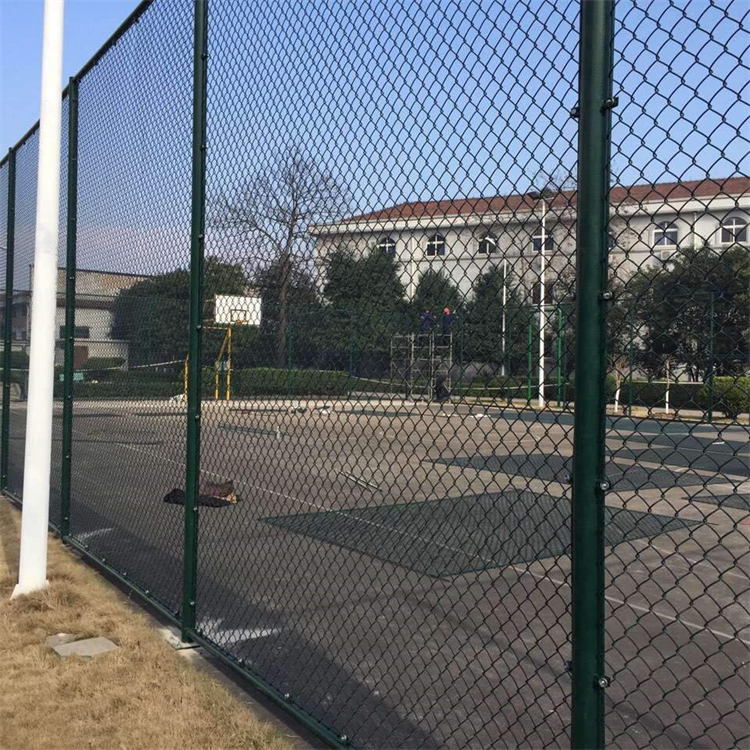
Woven wire fence is used for perimeter security, livestock containment, erosion control, and safety barriers along highways, railways and municipal projects.
They are typically made from galvanized steel or PVC-coated steel wire to provide corrosion resistance and long service life.
Yes. We offer customized heights, mesh sizes, wire diameters and coatings to meet project and regulatory requirements.
Yes. We handle R&D, design, production and professional installation for highways, railways, municipal and rail transit projects.
Our products are produced under ISO 9001, 14001 and 45001 management systems, ensuring consistent quality, environmental and safety standards.

Our Blog Posts

What to Specify in Urban Noise Barrier Bids

06

Dec

What to Specify in Urban Noise Barrier Bids

Noise barriers help keep homes and schools quieter when cities expand and become noisy. If you want to construct those walls, however, you will need to ask for bids on the work and the materials. But what do you want to put in those bids so that ever...
View More
What Testing Validates HSR Noise Barrier Performance

29

Nov

What Testing Validates HSR Noise Barrier Performance

Noise barriers for HSR are very critical. They prevent the noise of trains from disturbing homes and businesses nearby. But how do we decide whether these barriers are actually good barriers? Testing is the key. Testing determines whether the barrier...
View More
Latest Trends in Co-Extruded PMMA Noise Barrier Materials

29

Nov

Latest Trends in Co-Extruded PMMA Noise Barrier Materials

Jinbiao’s co-extruded PMMA barriers have a long service life, they means less fixing or replacing. This technology is redefining how Noise Barrier are created and employed, and making places more peaceful and nice to live in.   How do Co-Ex...
View More
Why Rail Projects Specify HSR Noise Barrier Suppliers Early

05

Jan

Why Rail Projects Specify HSR Noise Barrier Suppliers Early

It is essential to connect cities and move people rapidly between them, as it has always been. Noise is one majors worry associated with these projects. High-speed trains are very noisy, and this noise can irritate peoples who live near the tracks.&n...
View More

Get a Free Quote

Our representative will contact you soon.
Email
Name
Company Name
Message
0/1000

Related product categories

Get a Free Quote

Our representative will contact you soon.
Email
Name
Company Name
Message
0/1000