 EN
Electric counterbalance forklifts are essential for various industrial applications, providing a reliable solution for lifting and transporting materials in tight spaces. With an increasing number of businesses seeking electric counterbalance forklifts for sale, buyers often face critical concerns regarding selection, specifications, installation, and maintenance. This article aims to guide purchasing managers and decision-makers through the key factors to consider, ensuring they make informed choices that align with their operational needs.





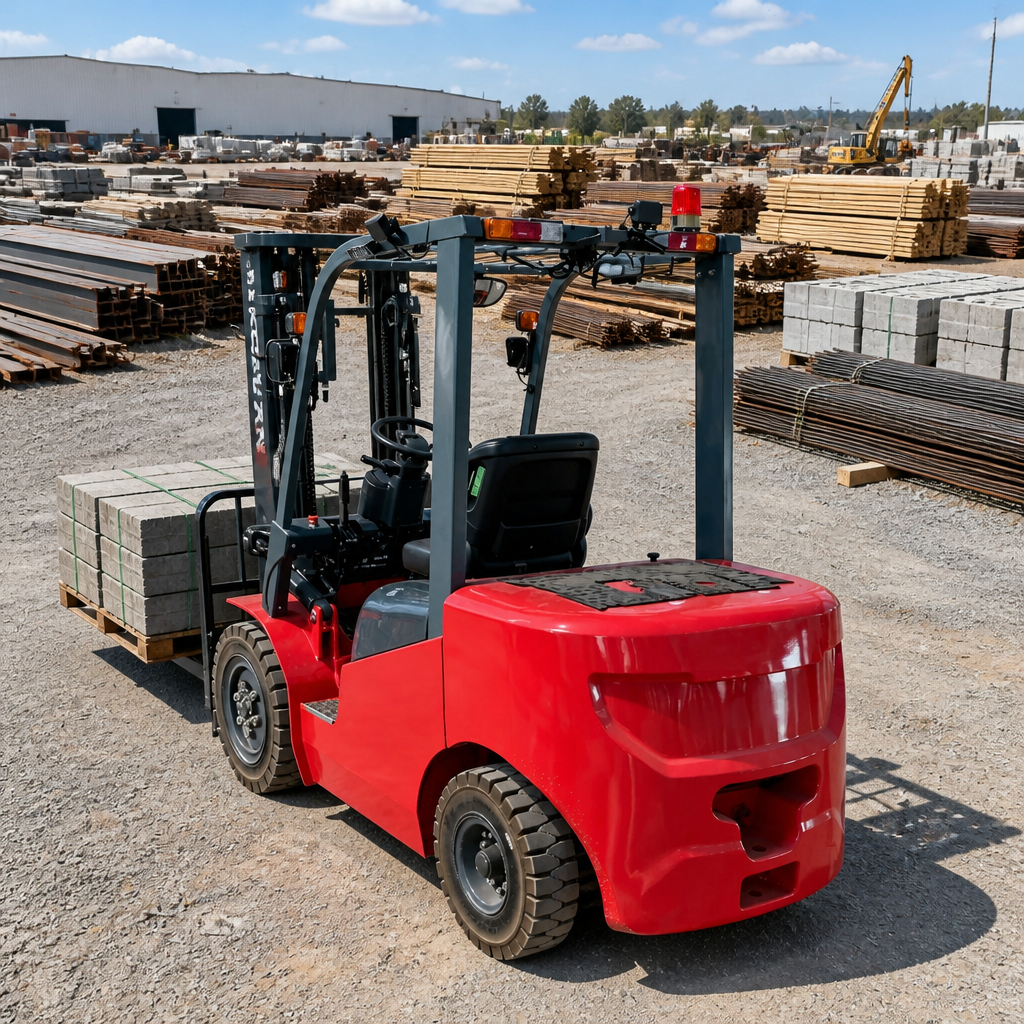
Key Specifications of Electric Counterbalance Forklifts for Buyers
Electric counterbalance forklifts come with various specifications that buyers should closely examine. Key specifications include:
Load Capacity: This indicates how much weight the forklift can safely lift. It's essential to match this with your operational needs. Lift Height: The maximum height the forks can reach. Make sure it meets the requirements of your storage or transport environment. Fork Length: Standard lengths vary, but customization may be available based on specific handling needs. Battery Type: Different batteries (lead-acid, lithium-ion) have varying lifespans, charging times, and performance characteristics. Lithium-ion batteries provide faster charging and longer lifespan but may come at a higher initial cost. Turning Radius: Essential for maneuverability, especially in narrow aisles. Ensure that the forklift can navigate the spaces in your operational environment effectively.
Understanding these specifications will help you select a forklift that not only meets your immediate needs but is also adaptable to future requirements.