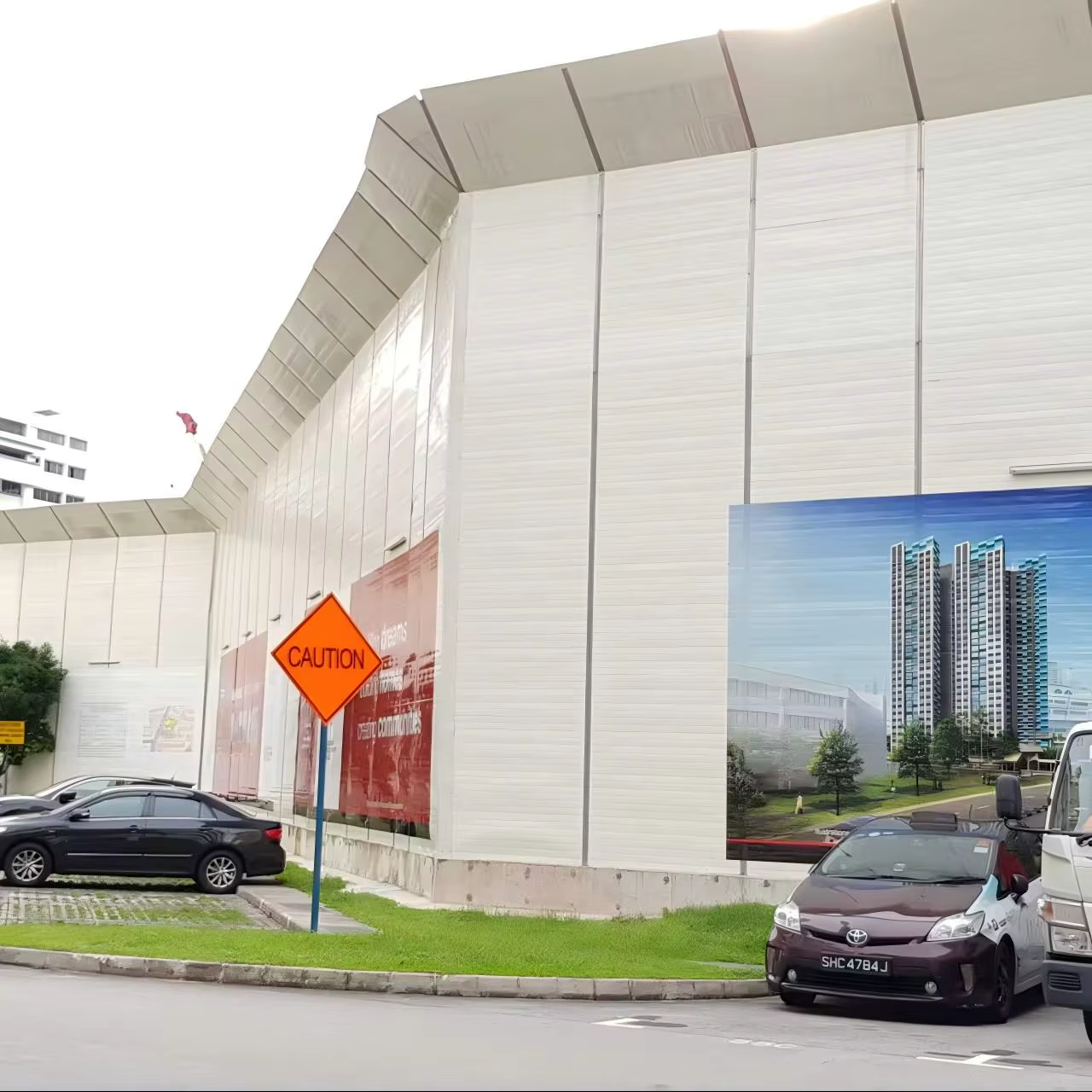
Choosing Transparent Soundproof Materials for Projects

All Categories

Get a Free Quote

Our representative will contact you soon.
Email
Name
Company Name
Message
0/1000

Transparent soundproof material

Transparent soundproof material is an innovative solution designed to reduce noise while allowing visibility. As industries increasingly seek to manage sound pollution without compromising aesthetics, understanding this material's specifications and applications becomes vital. For purchasing managers, engineers, and contractors, key concerns include material performance, durability, and cost-effectiveness. This article will guide you through the essential factors to consider when selecting transparent soundproof barrier materials for various projects, ensuring that you make informed decisions. 
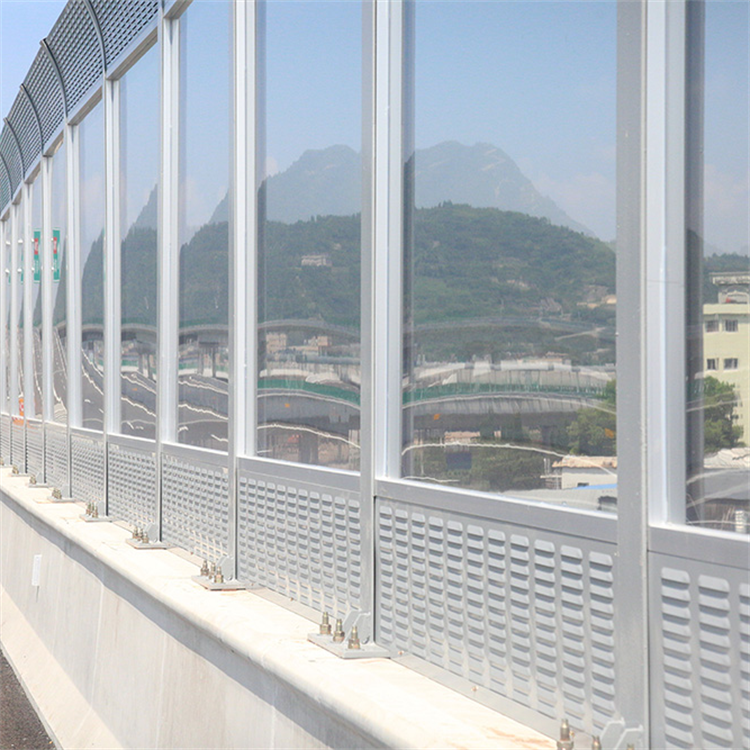
Key Specifications of Transparent Soundproof Materials to Consider

Key Specifications of Transparent Soundproof Materials to Consider

Understanding the key specifications of transparent soundproof material can help buyers make informed choices. 

Transmission Loss (TL): This measurement indicates how much sound is reduced when passing through the material. A higher TL value signifies better soundproofing capabilities. When evaluating potential materials, request transmission loss data from suppliers to ensure they meet your project's acoustic requirements. 

Impact Resistance: For applications exposed to potential impacts, choose materials that offer high impact resistance. Polycarbonate, for example, is often preferred in environments where the risk of breakage is significant due to its strength and durability. 

Light Transmission: Depending on the application, the transparency of the material may be crucial. Ensure that the selected material maintains adequate light transmission while providing the desired transparent soundproof material. This balance is essential for areas requiring natural light, such as offices and public spaces. 

Fire Rating: Verify the fire rating of the material to ensure compliance with safety regulations. Materials such as polycarbonate can be treated to improve their fire resistance, making them suitable for various applications. 
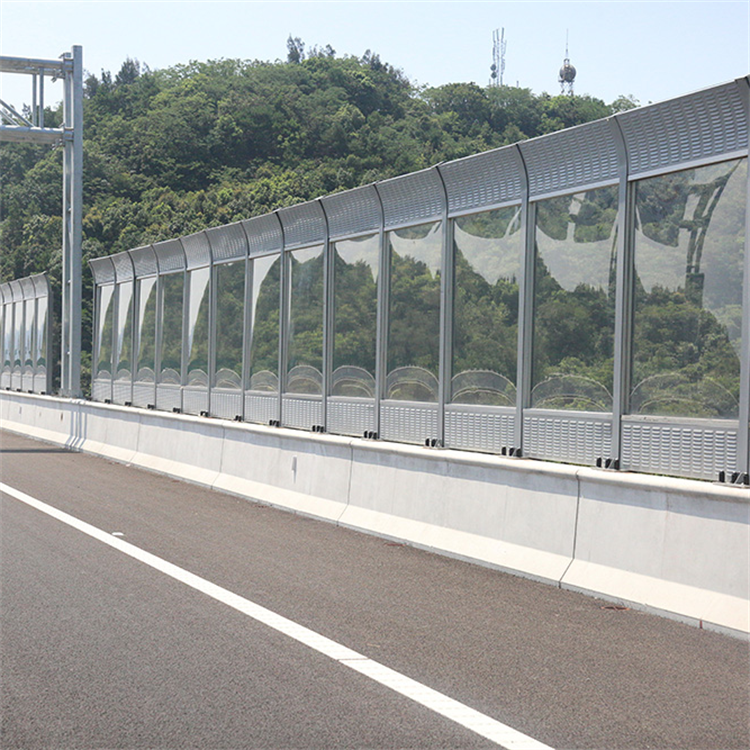
Common Problems with Transparent Soundproof Materials and Solutions

Common Problems with Transparent Soundproof Materials and Solutions

While transparent soundproof material offer numerous benefits, buyers should be aware of common challenges and their solutions. 

Scratching and Surface Damage: Transparent materials can be susceptible to scratches, which may affect both appearance and performance. To mitigate this issue, consider materials with scratch-resistant coatings or opt for thicker sheets that can withstand wear and tear. 

Installation Issues: Proper installation is critical to ensuring optimal soundproofing performance. Misalignment during installation can lead to gaps, reducing the material's effectiveness. Engaging experienced installers familiar with transparent soundproof privacy fence materials can help prevent these issues. 

Thermal Expansion: Temperature fluctuations can cause transparent materials to expand and contract. This movement may lead to seal failure or warping over time. Ensure that installation allows for thermal expansion and use appropriate sealing methods to maintain integrity. 

Limited Availability: Some specialized transparent soundproof material may not be readily available in all markets. Establishing a relationship with a reliable manufacturer or distributor can help secure the required materials and ensure timely delivery. 

Applications of Transparent Soundproof Materials in Various Industries

Applications of Transparent Soundproof Materials in Various Industries

Transparent soundproof material find utility across various sectors, demonstrating their versatility. 

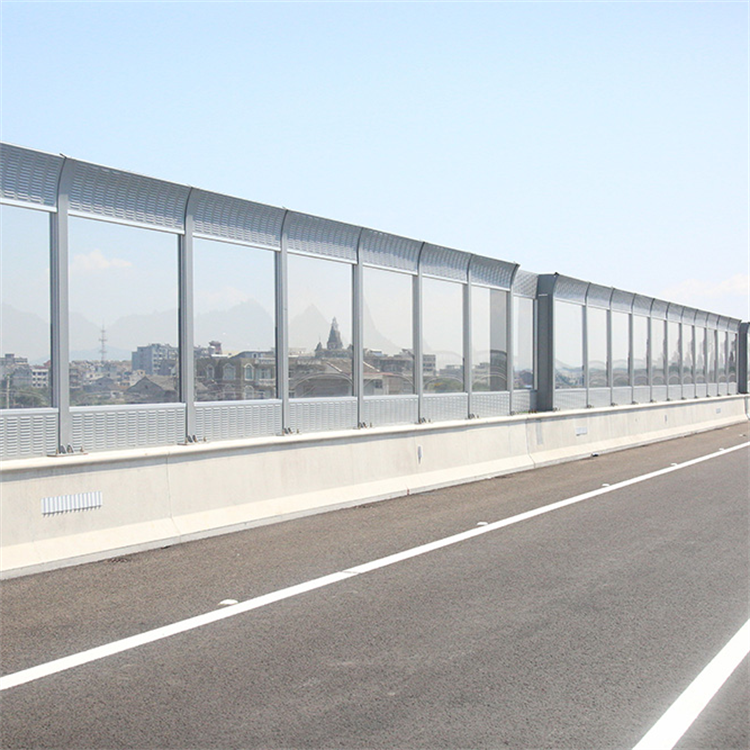
Transportation: In transportation infrastructure, transparent sound barriers are essential for highways and railways, providing noise reduction while maintaining visibility for drivers and pedestrians. These barriers effectively minimize sound pollution in urban areas. 

Commercial Spaces: Offices and commercial buildings increasingly use transparent soundproof material to create quieter environments. These materials are often incorporated into glass partitions, allowing for open layouts while controlling noise levels between workspaces. 

Healthcare: In healthcare facilities, maintaining patient privacy is crucial. Transparent soundproof barriers can be utilized in waiting rooms and consultation areas to reduce noise while enabling visibility for staff monitoring. 

Residential Applications: Homeowners looking to reduce noise from external sources, such as busy streets, can benefit from transparent soundproof windows. These installations provide a comfortable living environment without compromising natural light.  

Comparing Transparent Soundproof Material Options for Contractors

Contractors must evaluate various options when selecting transparent soundproof material for their projects. 

Cost vs. Performance: While it may be tempting to choose the most affordable option, consider the long-term performance and durability of the material. Investing in higher-quality materials may reduce maintenance costs and improve overall satisfaction. 

Supplier Reputation: Work with reputable suppliers who can provide detailed product specifications, certifications, and quality assurance processes. Ensure that the selected manufacturer adheres to international standards, such as ISO 9001, which guarantees consistent quality. 

Customization Capabilities: Look for suppliers that offer customization options to meet specific project requirements. Custom sizes, thicknesses, and finishes can enhance the material's functionality and aesthetic appeal. 

Lead Time and Availability: Assess potential suppliers for their production capacity and lead times. Establishing clear timelines can help prevent project delays and ensure that materials are available when needed. 

By understanding these factors, contractors can make informed decisions about transparent soundproof material, ensuring successful project outcomes.   

Choosing the Right Transparent Soundproof Material for Your Project

When selecting a transparent soundproof material, it is crucial to consider the specific application and environment where it will be used. Factors such as thickness, acoustic performance, and durability play significant roles in determining the right material. 

Thickness and Acoustic Performance: The material's thickness often correlates with its soundproofing capabilities. Thicker materials generally offer better sound attenuation. For instance, if your project involves high-traffic areas or industrial settings, a thicker soundproof barrier wall barrier may be necessary to meet noise reduction requirements. 

Material Composition: Different materials, such as polycarbonate or acrylic sheets, provide varying levels of sound insulation. While polycarbonate is known for its impact resistance and durability, acrylic may offer better optical clarity. Assess the balance between soundproofing and visual transparency based on your project's needs. 

Environmental Considerations: Depending on the installation location, factors like UV resistance, weatherability, and fire retardant can influence material selection. Ensure that the transparent soundproof material meets local building codes and safety standards. 

Frequently Asked Questions

What is transparent soundproof material made of?

Our transparent soundproof material is made from high-grade acrylic or polycarbonate combined with sound-absorbing cores and anti-reflective coatings, engineered for durability and acoustic performance in traffic and urban installations.
It provides high noise attenuation tailored to site requirements, typically achieving significant dB reductions for highway, railway and municipal applications when designed and installed per specifications.
Yes. It is formulated with UV-stable additives and protective coatings to resist yellowing, weathering and degradation, ensuring long-term clarity and performance in outdoor environments.
Yes. We offer custom sizes, thicknesses, transparencies, edge treatments and mounting options to meet specific highway, rail or municipal design and acoustic needs.
Yes. We integrate R&D, production and installation, offering professional installation and maintenance guidance to ensure optimal performance and longevity of the soundproof panels.

Our Blog Posts

Why DOT Projects Demand Certified Highway Metal Noise Barrier Manufacturers

25

Nov

Why DOT Projects Demand Certified Highway Metal Noise Barrier Manufacturers

“If the Department of Transportation (DOT) is going to kick off a highway project, theyre going to want noise barriers that work really effectively. Noise barriers keep the loud sounds of cars and trucks from annoying nearby homes and schools. But no...
View More
What Coatings Extend Highway Metal Noise Barrier Life

26

Nov

What Coatings Extend Highway Metal Noise Barrier Life

The Problem  Metal noise barriers erected along highways are designed to help muzzle loud traffic sounds, keeping nearby residential areas quiet and livable. These barriers are typically made of metal for durability. But metal is susceptible to ...
View More
How Solar Noise Barrier Suppliers Pair Energy and Mitigation

05

Jan

How Solar Noise Barrier Suppliers Pair Energy and Mitigation

Noise pollution is a big problem in today’s world, especially when you live in busy cities. Residents near highways or factories often complain about the din that prevents them from relaxing. Solar noise barriers are a neat way around this. And, not ...
View More
What Project Data Engineers Need for TNCB Noise Barrier Bids

05

Jan

What Project Data Engineers Need for TNCB Noise Barrier Bids

The barriers are unique walls designed to limit highway or rail noise. To be successful in the field, engineers must learn how to gather the right information, understand what makes a bid stand out and know where they can find helpful resources.&nbsp...
View More

Get a Free Quote

Our representative will contact you soon.
Email
Name
Company Name
Message
0/1000

Get a Free Quote

Our representative will contact you soon.
Email
Name
Company Name
Message
0/1000